
Tesla and the Future of Battery Technology
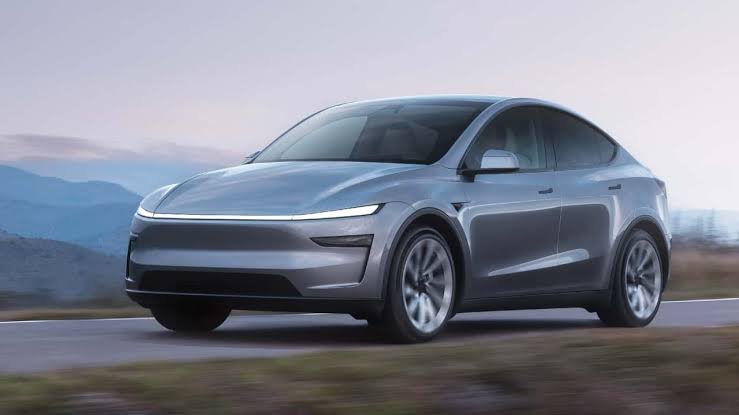
As the world races toward a cleaner, electrified future, one thing stands at the center of the transformation: battery technology. And no company is pushing the boundaries of what’s possible in this space quite like Tesla. While many know Tesla for its sleek cars and self-driving features, the real magic lies in what powers them—batteries that are getting cheaper, longer-lasting, and more energy-dense with each generation.
Tesla’s battery innovation began with a simple yet powerful idea: to bring energy storage in-house and scale it like never before. From the early days of using modified laptop cells to today’s custom-built 4680 battery cells, Tesla has continuously evolved its designs. These 4680 cells—unveiled on Tesla’s Battery Day—mark a turning point. They’re larger, more efficient, and structurally integrated into the car’s chassis, which helps reduce weight and increase range while cutting production costs.
But Tesla isn’t just refining cell shape—it’s rethinking the entire battery supply chain. The company is developing its own cathode and anode materials, securing direct access to raw resources like lithium and nickel, and designing factories that produce batteries at unprecedented scale. Gigafactory Nevada and the newer Giga Texas are at the heart of this effort, where battery lines hum with precision, aiming to churn out terawatt-hours of energy storage for cars and stationary applications alike.
Beyond cars, Tesla sees batteries as the key to a global energy revolution. Products like the Powerwall, Powerpack, and Megapack are already helping homes, businesses, and power grids store renewable energy and reduce dependence on fossil fuels. In remote areas and developing regions, Tesla’s batteries are powering entire communities with solar energy and zero emissions—a glimpse of a decentralized, clean energy future.
The company is also exploring next-gen technologies that could rewrite the battery playbook. Solid-state batteries, lithium-iron-phosphate (LFP) chemistry, and silicon-based anodes are all areas of active research. Tesla isn’t chasing breakthroughs for show—it’s aiming for real-world scalability. Every improvement must lead to higher energy density, lower costs, or faster production. This practicality is what sets Tesla apart from many lab-bound rivals.
Challenges remain, of course. Battery production is resource-intensive, and questions around recycling, sustainability, and mining ethics persist. Tesla is investing in battery recycling programs and closed-loop systems to mitigate these issues, but the race is far from over. What’s clear, though, is that Tesla has put batteries at the heart of everything—from electric vehicles to solar power to grid-scale energy storage.
In many ways, Tesla’s work on batteries is bigger than the company itself. It’s shaping the future of transportation, energy, and even the planet. And as battery technology continues to evolve, Tesla is not just following the curve—it’s helping define it.
📩 Email us: kamunyereports@gmail.com
📲 WhatsApp us: +256705569885
Your story matters—share it with us today! 🗞️🔥