“We May Go for Your Device”: UCC Issues Stern VPN Warning
The Uganda Communications Commission (UCC) has announced the gradual restoration of internet services in the country following a nationwide shutdown imposed during the recent presidential and parliamentary elections.
According to the regulator, limited internet access — mainly basic web browsing — was restored on Saturday night, four days after authorities ordered a complete shutdown ahead of the January 15 elections. The blackout had drawn criticism from civil society groups, businesses, and ordinary citizens who depend heavily on online services for communication, commerce, and access to information.
Despite the partial restoration, access to most social media platforms remained restricted for a majority of users, forcing many Ugandans to turn to Virtual Private Networks (VPNs) in order to communicate, share information, and remain connected with friends and family both locally and abroad.
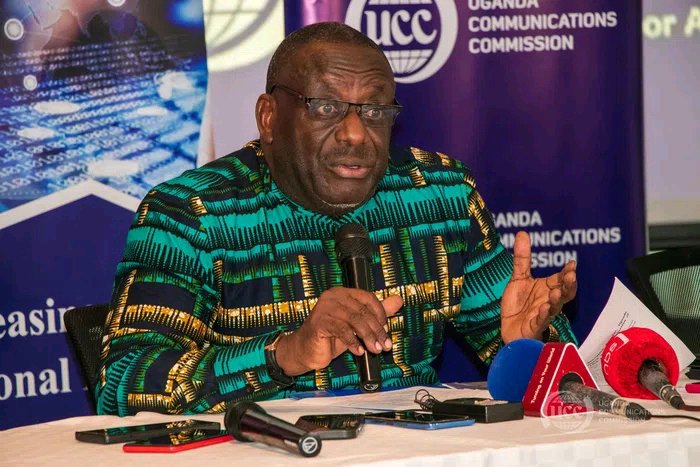
Speaking to journalists on Monday, UCC Executive Director Nyombi Thembo said the restoration process was being carried out cautiously and in phases. He explained that the commission would continue to assess the situation before lifting all remaining restrictions.

“The commission will continue to monitor the situation closely and will provide updates on any further adjustments as circumstances prevail,” Nyombi said.
Warning issued to VPN users
During the same briefing, Nyombi used the opportunity to issue a stern warning to internet users attempting to bypass the remaining restrictions through VPN services. He said the commission was fully aware that a section of the public had resorted to such tools to evade directives issued by authorities.
“Of course there are people who think that they can bypass these directives through usage of VPNs,” he said.
Nyombi cautioned that the regulator now possessed enhanced technical capabilities to identify and respond to illegal activity conducted through such means.
“But I want to tell you that we have reasonable capabilities now – especially if you use that bypass to break the law – to attack your device directly.”
He further warned that individuals who employed VPNs for unlawful activities should not be surprised if decisive action was taken against them. Such action, he noted, could include disabling their access to the internet entirely.

The UCC executive director emphasized that devices used to break the law could be specifically targeted and permanently blocked from accessing internet services, underscoring the seriousness with which the commission viewed such violations.
Distinction between personal and illegal use
However, Nyombi attempted to strike a more measured tone by drawing a distinction between casual or personal VPN use and activities deemed criminal. He suggested that enforcement efforts would be focused primarily on users engaging in illegal conduct rather than ordinary citizens seeking to stay in touch with loved ones.
“If you bypass the blockade to access social media only to connect with your loved ones, who cares?” he said. “But if you use it to break the law; our antennas are up. We may end up going for your device.”
He added that the commission did not wish to take drastic action without first issuing clear warnings to the public. Nonetheless, Nyombi urged internet users to exercise caution and remain mindful of the legal boundaries governing online activity during the ongoing monitoring period.
The UCC has not yet indicated when full internet and social media access will be restored, but officials say updates will be communicated as the situation evolves.
📩 Email us: kamunyereports@gmail.com
📲 WhatsApp us: +256705569885
Your story matters—share it with us today! 🗞️🔥