Tesla’s Autopilot and Full Self-Driving: Progress and Controversies
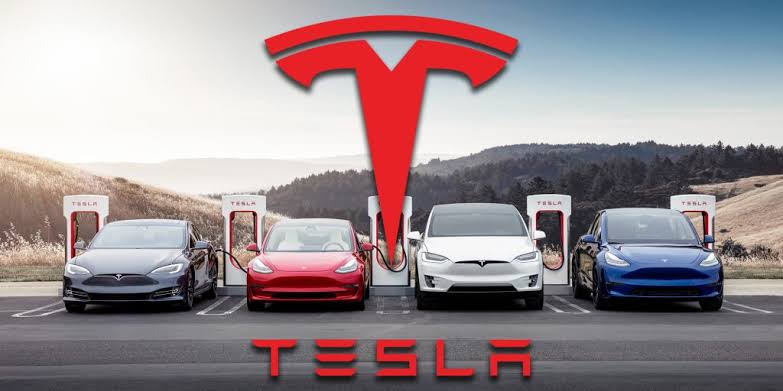
Tesla’s Autopilot and Full Self-Driving (FSD) systems have long stood at the cutting edge of automotive innovation, promising a future where cars navigate the world with little to no human input. These technologies, developed under the leadership of Elon Musk, have become central to Tesla’s identity—not just as a car manufacturer, but as a pioneer of AI-driven mobility. Yet, while the ambition is bold, the road has been anything but smooth.
Autopilot, introduced in 2015, functions as an advanced driver-assistance system (ADAS) that offers features like adaptive cruise control and lane centering. It’s designed to ease the driving burden, particularly on highways. FSD, on the other hand, represents Tesla’s more ambitious leap toward full autonomy. It adds features like automatic lane changes, traffic light recognition, and the ability to navigate city streets. Despite the name, FSD is not truly “self-driving” yet and still requires driver supervision—a fact that has drawn criticism and even prompted Tesla to rename it “Full Self-Driving (Supervised)” in 2024.
What sets Tesla apart from its competitors is its vision-only approach. While companies like Waymo use a combination of cameras, lidar, and radar, Tesla has committed to a system powered solely by cameras and neural networks. This “pure vision” strategy is powered by millions of miles of real-world driving data, collected from Tesla’s customer fleet. Theoretically, this could give Tesla a data advantage, allowing for rapid software improvements. But it also raises concerns. Critics argue that vision-only systems may be less reliable in poor weather or low-light conditions and that the “black box” nature of neural networks makes it harder to predict or explain mistakes.
Indeed, safety has been one of the most controversial aspects of Tesla’s autonomy push. While Autopilot and FSD have successfully prevented accidents in many cases, they’ve also been implicated in a number of high-profile crashes. Investigations by regulatory bodies, including the National Highway Traffic Safety Administration (NHTSA), have scrutinized Tesla’s claims and safety record. The company has had to issue software updates and even recalls in response to some of these incidents.
Public perception is split. Many Tesla owners praise the systems and see them as a glimpse into the future of transportation. Others remain skeptical or even fearful of the technology, especially given the mismatch between marketing language and technical reality. Tesla’s FSD Beta program, which allowed regular users to test early versions of the software on public roads, was both a bold crowdsourced development strategy and a lightning rod for criticism over safety and ethics.
Despite the hurdles, Tesla pushes forward. Elon Musk continues to promise robotaxis and fully autonomous vehicles within a few years, and the company’s unveiling of a prototype “Cybercab” hints at its ongoing vision. Whether Tesla can deliver on its grand promises—or whether it will continue to face regulatory and technological roadblocks—remains one of the most watched narratives in tech and automotive circles.
In the end, Tesla’s Autopilot and FSD programs represent the paradox of cutting-edge innovation: they are both a marvel of modern engineering and a cautionary tale about hype, safety, and the complexities of AI. As the technology evolves, so too must the conversations around regulation, accountability, and what it truly means for a car to drive itself.
📩 Email us: kamunyereports@gmail.com
📲 WhatsApp us: +256705569885
Your story matters—share it with us today! 🗞️🔥