Political Ambition Turns Costly: Walukaga Wants Shs300m Back, NUP Tells Him to Sing
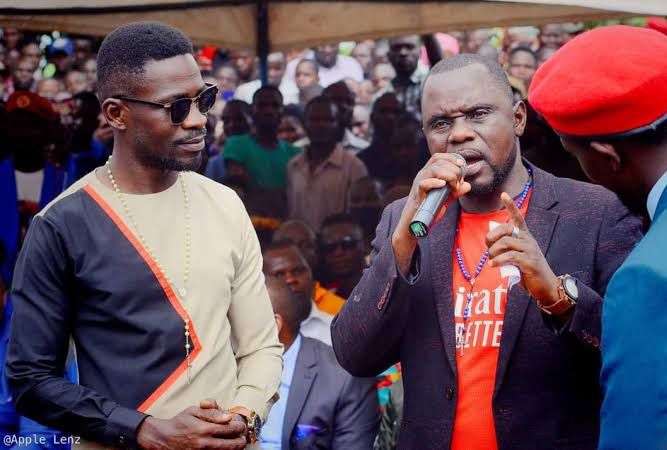
Kyengera Town Council Mayor Mathias Walukaga has demanded that the National Unity Platform (NUP) return 300 million shillings he paid to secure the party’s nomination for the Busiro East parliamentary seat, after a High Court ruling effectively ended his 2026 election bid.
On December 21, 2025, Justice Simon Peter Kinobe dismissed Walukaga’s petition challenging the Electoral Commission’s (EC) decision to cancel his nomination. The court found that Walukaga did not meet the minimum academic qualifications at the time he was nominated on October 23, 2025.
The controversy centers on a Mature Age/Aptitude Test certificate issued by the Islamic University in Uganda (IUIU) on June 12, 2023. The EC, acting on a challenge by voter John Lubowa Kilimiro, determined that the certificate had expired on June 12, 2025—four months before the nomination date—rendering him ineligible to contest. The commission’s decision was subsequently upheld by the High Court, leaving Walukaga’s political ambitions in ruins.
Speaking to journalists from his home, a visibly distressed Walukaga accused NUP officials of misleading him and demanding an exorbitant payment under the promise that his parliamentary seat was guaranteed. “Party leaders extorted this hefty amount of money after assuring me that securing the party ticket guaranteed my parliamentary seat,” he said.
Walukaga said he had sold all his assets to pay for the nomination, leaving him in dire financial straits. “I have nothing left to support myself or my family. I sold everything I owned to buy the NUP ticket, and now I am completely broke,” he explained. “I am demanding that the party refund my hard-earned money because the ticket is now worthless to me.”
The NUP leadership has, however, rejected Walukaga’s claim. Secretary General David Lewis Rubongoya told journalists that the party would not return the funds, asserting that the money had already been used for the party’s broader political activities, which are often referred to as the “struggle.”
Rubongoya also offered an unconventional suggestion to Walukaga, who is a known musician: “He should organize a music concert. NUP supporters will attend and give him as much money as he wants,” he said.
The case has sparked renewed debate about internal party procedures, candidate vetting, and accountability, particularly in the lead-up to the highly contested 2026 general elections. Analysts note that the controversy highlights the risks aspirants face when relying on party assurances without verifying compliance with legal and academic requirements.
Political observers argue that the Walukaga case exposes weaknesses in the way parties handle nominations and the financial pressures imposed on candidates. While political parties often rely on significant contributions from aspirants to fund campaigns, the lack of clear refund mechanisms in case of disqualification raises questions about fairness and transparency.
For Walukaga, the ruling marks a bitter end to a costly political pursuit, leaving him financially drained and politically sidelined. His public appeal for a refund underscores the high stakes involved in party nominations and the potential consequences of procedural oversights. As the 2026 elections approach, cases like his may prompt parties to review internal policies and provide greater clarity to candidates regarding eligibility and financial obligations.
📩 Email us: kamunyereports@gmail.com
📲 WhatsApp us: +256705569885
Your story matters—share it with us today! 🗞️🔥