Museveni: I Heard God Say ‘Don’t Kill Rwakasisi’ Despite Murder Claims
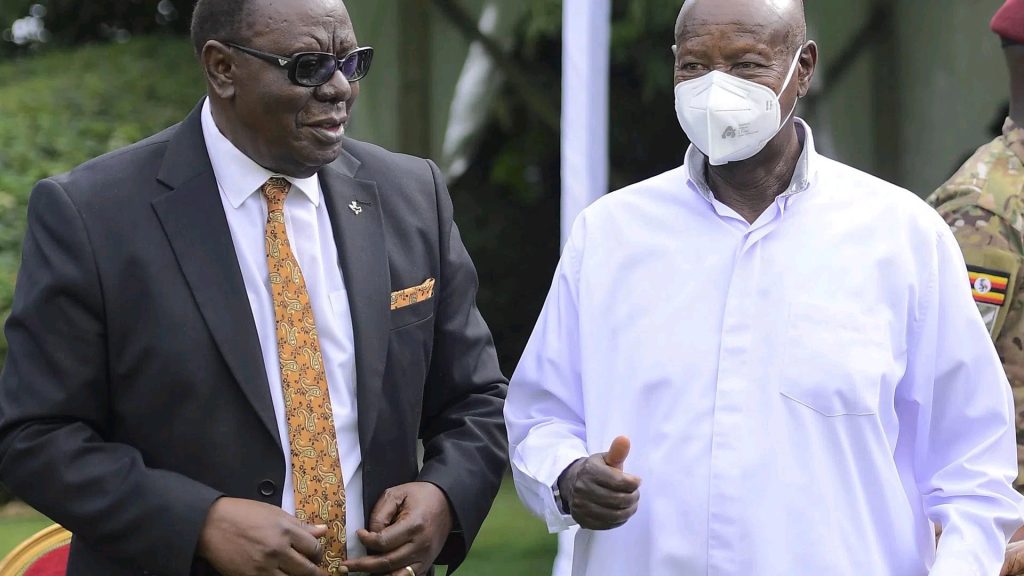
President Yoweri Museveni on Wednesday returned to a painful chapter from his past — the loss of two close relatives during the brutal years of President Milton Obote’s rule, in the lead-up to the NRA bush war that eventually brought him to power.
Speaking with raw emotion, Museveni revisited allegations he first raised in the 1990s. This time, he added new context — not only about the deaths themselves, but also about why he chose to forgive those he believes were responsible, including former UPC minister Chris Rwakasisi, who once faced a death sentence.
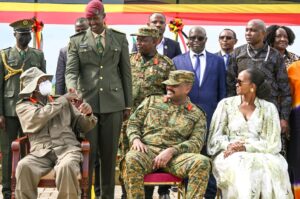
The President was speaking at the annual National Prayer Breakfast, held at State House Entebbe, under the theme “The Power of Forgiveness and Reconciliation.”
A Wound Reopened
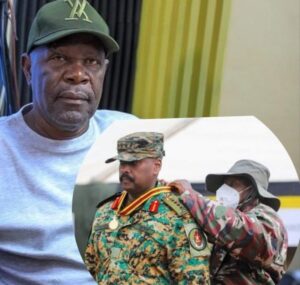
The issue came up after Chris Rwakasisi, now a free man, delivered a deeply personal keynote speech. In it, he spoke about the bitterness he carried while on death row, especially over what he saw as false accusations made by Museveni during political campaigns.
“I asked myself how a person I had worked with could treat me like this. On campaign trails he (Museveni) often claimed that I killed his children. I wondered which children I killed because all his children, Muhoozi, Patience, Natasha and Diana were there,” Rwakasisi said.
In response, Museveni didn’t back down from the claims but took time to clarify them.
“It is true that UPC killed our two children. It is true that UPC, Chris’ former group, killed very many people including my two children,” the President said.

“One was called Kamu and another called Namara. They were not directly from myself and Mama (Janet) but they were our relatives. They were just students here in Kampala, staying in Nakulabye.”
The Struggle to Forgive
Museveni then shared how difficult it had been to decide whether Rwakasisi should be executed. At the time, the Presidential Prerogative of Mercy Committee — made up of seasoned legal experts — had recommended that the sentence go ahead. The families of Rwakasisi’s alleged victims felt the same: justice had to be served.
But when the moment came to make the final call, Museveni said he sought a higher power.
“I remember, when I got the documents, I went to my small office and prayed and asked God if he deserved the sentence or whether there was a mistake in his trial,” he recalled.
“Somehow I heard a voice. The born-again people call it a voice, but it was like a feeling inside of me which told me it was not correct and that I should not sign off.”
That hesitation, he said, turned out to be right. A later review of the trial revealed serious flaws.
“As it turned out later, his trial was marred with mistakes including false testimonies and staged witnesses, and that is how he was eventually pardoned,” Museveni said.
Forgiveness Isn’t Weakness
Closing his address, the President spoke about his philosophy on justice. Yes, accountability matters, he said — but it doesn’t always have to come through punishment.
“Although I believe in full accountability, it does not always have to be punitive,” he said, tying his message back to the theme of the event — forgiveness and reconciliation.

The moment marked a rare blend of politics, pain, and personal faith — and a public reflection on how even leaders must wrestle with justice and mercy.
📩 Email us: kamunyereports@gmail.com
📲 WhatsApp us: +256705569885
Your story matters—share it with us today! 🗞️🔥