Campaign Rallies Trigger Flag Controversy, Government Cites Law
The government has issued a fresh warning over the handling, use, and public display of Uganda’s national flag, citing growing concerns about widespread misuse and disregard for established legal protocols.
Hellen Seku, the Commissioner of the National Secretariat for the Patriotism Corps at State House, raised alarm over what she described as an increasingly troubling trend at political campaign rallies, where the national flag is allegedly being violated and displayed inappropriately.
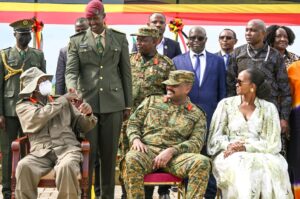
Speaking at a gathering held at the Kololo Independence Grounds over the weekend—during a meeting between President Yoweri Museveni and Kampala city garage operators and mechanics—Seku condemned what she termed a “disturbing” pattern of flag desecration across the capital.
According to the Commissioner, the national flag is not merely a decorative item or political accessory but a protected national symbol governed by strict laws and traditions. She warned that the casual and sometimes reckless handling of the flag constitutes a direct breach of established national protocols.
She reminded members of the public that the use of national symbols is regulated by law, specifically pointing to provisions that prohibit the hoisting of the national flag on private buildings without express authorization from the government.
“We have a law known as the Flag and Emblems Act, Cat 181 which among others prohibits hoisting the national flag on any building,” she said.
“The flag cannot spend the night outside or stay out in rain. Under the law, you need government permission to raise the national flag anywhere, even if it is for business purposes.”
Seku further urged business owners—particularly those operating garages, retail shops, and roadside stalls—to consult the Uganda Police Force or relevant government offices before displaying the flag, in order to remain compliant with the law.

“The national flag has to be respected and cannot be misused anyhow. We have seen some people placing them on bodabodas and retail shops, and stalls; some in their kitchens and other unworthy places.”
She emphasized that such practices not only diminish the dignity of the national symbol but also expose offenders to potential legal consequences.
### Historical Context and the National Flag Act
While the Commissioner referenced the Flag and Emblems Act, the principal legislation governing the use of Uganda’s national symbols is the National Flag and Armorial Ensigns Act (Chapter 254 of the Laws of Uganda).
Hellen Seku, the Commissioner of the National Secretariat for the Patriotism Corps at State House
Enacted in 1962 at the dawn of Uganda’s independence, the Act forms the legal foundation of the country’s national identity. It criminalises any act that insults, ridicules, or brings the national flag into contempt. In addition, it strictly regulates the commercial use of national symbols, prohibiting the exploitation of the flag, Coat of Arms, or national colours for advertising or trade,a without prior ministerial approval.
The legislation was designed to preserve the sanctity and symbolism of the flag as a unifying emblem of sovereignty, independence, and national pride.

The government’s renewed emphasis on flag etiquette has not occurred in a vacuum. Seku’s remarks quickly gained traction online, going viral across social media platforms and igniting heated debate. Many commentators expressed outrage, interpreting the warning as a politically motivated response rather than a neutral enforcement of the law.
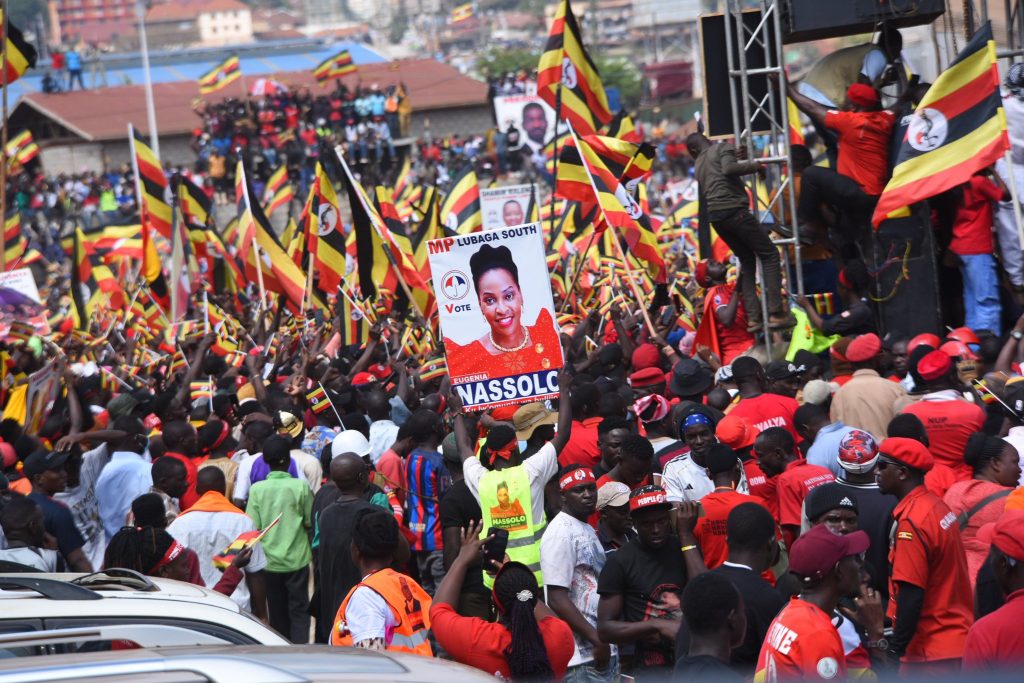
This reaction comes against the backdrop of a recent political trend in which supporters of the National Unity Platform (NUP) have increasingly displayed the national flag during campaign rallies and political mobilisations.
NUP President Bobi Wine has openly encouraged his supporters to carry the national flag, framing it as a symbol of their commitment to leadership change and a renewed sense of nationalism. To his supporters, the flag represents patriotism and a reclaiming of national identity, while critics argue that its politicisation risks undermining its neutral and unifying role.
As the debate continues, the government’s warning has reignited broader questions about patriotism, political expression, and where the line should be drawn between civic symbolism and legal restriction in Uganda’s evolving political landscape.
📩 Email us: kamunyereports@gmail.com
📲 WhatsApp us: +256705569885
Your story matters—share it with us today! 🗞️🔥