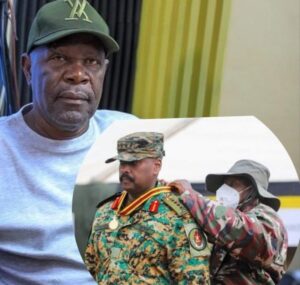
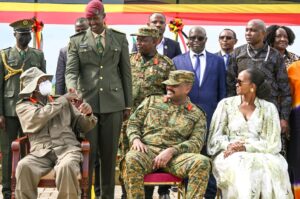
“Bobi Wine Is A Coward And His Struggle Is Fake” Stella Nyanzi Reveals Secrets
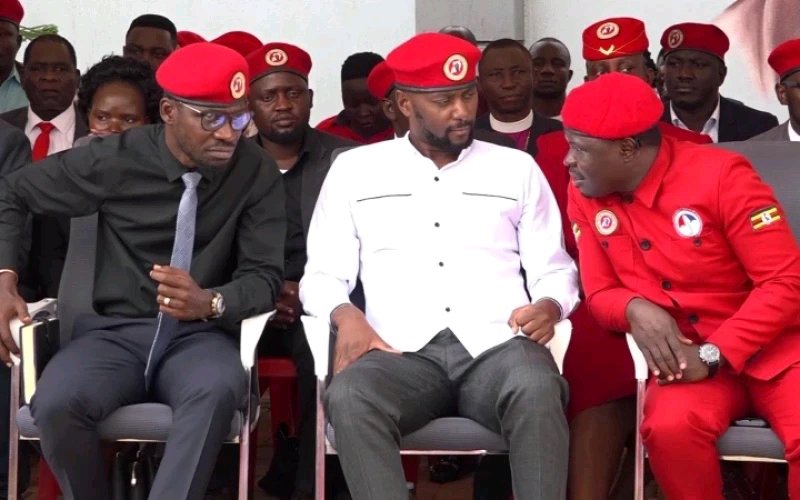
Uganda’s political arena was thrust into renewed controversy over the weekend after Robert Kyagulanyi Ssentamu, leader of the National Unity Platform (NUP), said he had left the country while evading what he described as a military-led pursuit following the disputed January 15 presidential election. His announcement triggered sharp reactions across social media, with critics and supporters clashing over the implications of his departure.
In a video shared online, Kyagulanyi appeared unshaven and said he had been in hiding for several weeks after security forces allegedly raided his residence in the aftermath of the vote.
“By the time you see this video I will have left the country,” he said, adding that he was grateful to Ugandans who “concealed and protected me.” He indicated he would return at what he called the “right time,” a statement that quickly fueled public debate.

Supporters of the opposition figure flooded online platforms with messages of solidarity, describing his departure as a calculated and necessary move. Many framed it as part of a broader struggle against what they characterize as authoritarian rule, praising what they called a strategic retreat intended to preserve leadership.
However, prominent activist Stella Nyanzi strongly criticized both Kyagulanyi and his supporters, accusing them of inconsistency and blind loyalty. She described his backers as a “cult of empty-brained” followers and questioned what she saw as double standards, noting that some had previously condemned other Ugandans in exile as abandoning the cause.
“It is bizarre how Bobi Wine’s cult of empty-brained followers shut their brains and sweetly swallow whatever he dishes out,” Nyanzi wrote. “Double standards, just!” She also cast doubt on the accuracy of Kyagulanyi’s claims, suggesting the possibility that he could still be within Uganda and using the narrative of exile as a tactic to mislead authorities. Nyanzi emphasized that she would not support any leader uncritically, underscoring her stance on independent thinking.
Separately, former journalist Robert Nestrooy Kayongo, now based in the United States, offered a more measured but cautionary perspective in an open letter addressed to Kyagulanyi. He described exile as a difficult experience that “does not recognize status, popularity, titles, or applause,” urging the opposition leader to use the period for reflection and strategic planning.

Kayongo encouraged Kyagulanyi to reassess past decisions, rebuild cohesion within opposition ranks, and prepare for future political engagement with greater care. Referencing historical lessons, including those drawn from Mutesa II, he noted that exile can expose vulnerabilities in leadership while also testing loyalty among supporters.
According to Kayongo, remaining safe abroad may represent a tactical advantage, but sustaining a political movement from outside the country presents significant obstacles. He warned that internal divisions could weaken the opposition if not addressed, arguing that unity would be critical to maintaining momentum. “The opposition today is more fragmented than ever,” he wrote, adding that the period of exile should be used to consolidate rather than deepen fractures.
The developments have intensified debate online, where Kyagulanyi’s supporters defend his actions as necessary for survival, while critics argue that leaving the country risks undermining efforts on the ground. Analysts say the episode highlights both the pressures faced by opposition figures under state scrutiny and the challenges posed by internal disagreements.
For Kyagulanyi, the situation presents a complex balance between safety and political effectiveness. While his departure may shield him from immediate threats, questions remain about his ability to direct activities from abroad, retain cohesion within his movement, and respond to growing criticism.

At the same time, voices such as Nyanzi and Kayongo continue to shape the public discourse, raising broader concerns about leadership accountability and the role of critical thinking among political supporters. Their remarks have amplified scrutiny not only of Kyagulanyi’s decisions but also of the dynamics within Uganda’s opposition landscape.
As events continue to unfold, uncertainty remains over how Kyagulanyi’s absence will influence the country’s political trajectory. Observers say the coming weeks and months will be critical in determining whether exile strengthens his position through strategic recalibration or exposes divisions that could alter the direction of Uganda’s opposition politics.
📩 Email us: kamunyereports@gmail.com
📲 WhatsApp us: +256705569885
Your story matters—share it with us today! 🗞️🔥