Museveni Reportedly Signals Retirement, Tells NRM Leaders He May Not Contest In 2031
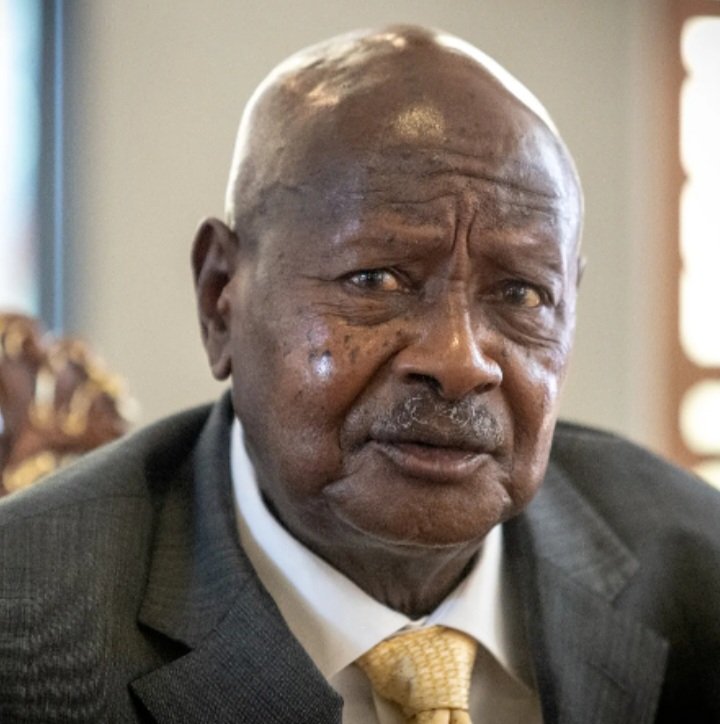
President Yoweri Kaguta Museveni has reportedly indicated to members of the National Resistance Movement’s Central Executive Committee that he does not plan to contest the 2031 presidential election, according to claims circulating in Ugandan media and political circles.
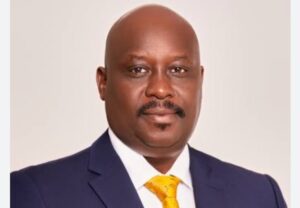
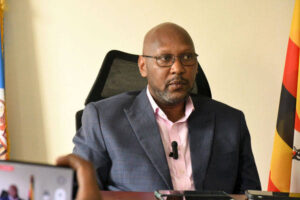
The assertion, which has gained traction on social media, was reportedly confirmed by Prof. Waswa Balunywa during an appearance on the Deep Dive television programme. The development, if accurate, would mark a significant shift in Uganda’s long-running succession debate, given Museveni’s continuous hold on power since he led the National Resistance Army to victory in 1986.
Museveni, now in his early eighties, secured a seventh term in the January 2026 general election and was sworn in for a mandate running through 2031.
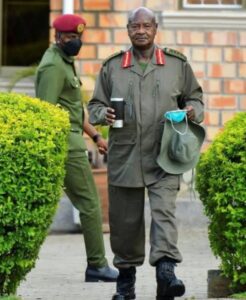

Over the decades he has overseen constitutional amendments that removed term and age limits, allowing him to remain eligible. Throughout his tenure he has consistently framed leadership around capacity and institutional knowledge rather than chronological age, often stating that he would continue as long as he remained capable. Recent public remarks by senior figures close to the presidency had reinforced expectations that he might seek yet another term, with some ministers asserting that unfinished work on poverty reduction, infrastructure and anti-corruption efforts required his continued presence.
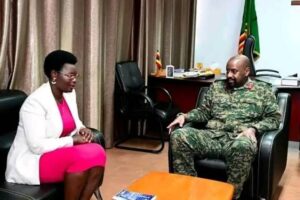
The reported statement to the CEC comes against a backdrop of intensifying discussion within the ruling party about who will lead after 2031. Museveni’s son, General Muhoozi Kainerugaba, the Chief of Defence Forces, has openly declared his intention to contest the presidency that year. Supporters in the Patriotic League of Uganda have organised endorsement drives, and Muhoozi has stated on social media that he expects his father’s backing.
In October 2026 Museveni presented a paper on succession qualities to a CEC meeting at State House Entebbe, prompting speculation about whether the document amounted to an informal endorsement of his son. Subsequent reporting, citing anonymous participants, indicated that some committee members pushed back, arguing that Muhoozi needed more civilian experience and that Museveni himself should stand again because the younger candidate was not yet ready.
A planned vote was reportedly abandoned after limited support, and the party later described certain media accounts as inaccurate.
Prof. Balunywa, the former long-serving principal of Makerere University Business School, has long been regarded as close to the president. Museveni previously intervened to extend Balunywa’s tenure at the institution and has publicly praised his contributions to business education and institutional management.
Balunywa has also been a frequent commentator on education reform and national development. His appearance on Deep Dive, a programme known for extended political discussion, is cited by those circulating the claim as independent corroboration of what Museveni allegedly told the CEC. No official transcript or full video statement from the president has been released by State House, and the NRM has not issued a formal response specifically addressing the “bow out” report as of the latest available information.
The succession question has exposed internal tensions. While Muhoozi’s military background and mobilisation efforts give him visibility, some within the party have expressed reservations about his public style and readiness for civilian political leadership.
At the same time, Museveni’s longevity has created a structural challenge: the party has not cultivated a widely accepted alternative outside the first family. Analysts note that any decision by Museveni not to stand would accelerate competition among various factions, including those aligned with Muhoozi and those preferring a more gradual transition or alternative candidates.
Uganda’s political system remains dominated by the NRM, which has won successive elections with comfortable margins. Opposition parties, led most prominently by the National Unity Platform, have challenged results and raised concerns about civic space, but the ruling party retains strong organisational capacity. A clear signal that Museveni will step aside in 2031 could reshape campaign planning, patronage networks and the balance of power within the military and civilian structures of the state. Conversely, if the report proves overstated, the episode would illustrate how succession speculation routinely generates competing narratives inside and outside the party.
As of late November 2026 the claim rests on the reported CEC discussion and Balunywa’s confirmation on television. Official channels have historically managed such sensitive announcements carefully, often through the party secretary general or State House.
Until a definitive statement emerges, the possibility that Museveni may not seek re-election in 2031 remains one more element in a fluid and closely watched transition debate that will define Ugandan politics over the coming years.
📩 Email us: kamunyereports@gmail.com
📲 WhatsApp us: +256705569885
Your story matters—share it with us today! 🗞️🔥