EXPOSED!! Inside The Dark Rituals Used To Shield Joan Kagezi’s Assassins From The Law
Nearly a decade ago, deep in Kayunga District, three men entered a shrine—not for healing, but to escape justice. According to court documents, these were no ordinary visitors. They were accused assassins, bound by a secret mission and a shared belief in the supernatural.
Their goal: to “tie the case.”
That phrase, taken from the confession of Daniel Kisekka Kiwanuka, and confirmed by the witchdoctor who performed the ritual, is now central to a high-stakes criminal case involving the murder of one of Uganda’s top prosecutors.
A Nation Stunned
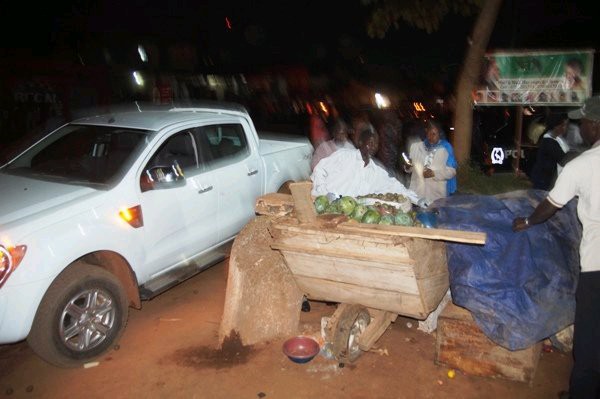
On March 30, 2015, Assistant Director of Public Prosecutions Joan Namazzi Kagezi pulled over at a fruit stall in Kiwatule with three of her children in the car. Two men on motorcycles approached, opened fire, and fled into the night. Kagezi died on the spot—in front of her children.
Renowned for prosecuting terrorism, war crimes, and corruption, her killing sent a stark warning: no one was safe, not even the government’s top legal minds.
For years, the case remained cold. Suspects vanished, leads dried up—but the investigation never truly stopped.
The Arrests and the Alleged Pact
Breakthroughs came in 2023. Police apprehended Massajjage John—also known by multiple aliases—in Wandegeya, where he’d been working as a boda boda rider. He was soon linked to others: Kibuuka John (alias Musa), Daniel Kisekka Kiwanuka, and Nasur Abdallah Mugonole.
All four were charged with murder and terrorism.
According to confessions and court evidence, the assassination was meticulously planned and funded—allegedly from the Democratic Republic of Congo, where the murder weapons were sourced.
Massajjage claimed the job was worth USD 200,000. Part of that sum, he said, was used to hire a witchdoctor—an effort to spiritually shield the perpetrators from arrest.
A Ritual of Evasion
The ritual wasn’t a mere superstition. It was a calculated step in the criminal plan.
In his statement, Kiwanuka confessed that shortly after the murder, he, along with Kibuuka and Mugonole, traveled to Kayunga to visit a powerful witchdoctor. The court record states:
> “A1 revealed that he, A2 and A4 went to a witchdoctor in Kayunga to perform rituals on them to protect and prevent them from being arrested.”
The witchdoctor, now serving time for unrelated defilement charges, confirmed the meeting. He said the men admitted to committing a serious crime and paid him UGX 200,000 to “tie the case.”
During a police lineup, he easily identified all three.
Building the Case
Beyond confessions and rituals, investigators pieced together phone records, forensic evidence, and eyewitness statements. Cell tower data placed Kibuuka and Massajjage at the crime scene between 7:00 and 7:30 PM—the same time the assassination occurred.
Kiwanuka detailed their escape: two attackers, two backup riders to clear the way, and a tightly coordinated plan.
A Chilling Motive
The motive? According to Justice Alice Komuhangi Khaukha, Kagezi’s assassination was both political and symbolic:
> “A brutal armed attack on a senior Government official… was intended to send a message to the Government. It created widespread fear.”
The court concluded the murder constituted an act of terrorism—aimed at influencing government decisions and intimidating the public.
Organized Crime with Spiritual Insurance
In her ruling, Justice Komuhangi underscored the strategic use of spiritual rituals as part of the broader criminal operation. The accused’s ability to avoid capture for nearly eight years was evidence, she said, of their high level of organization.
> “They are not merely ordinary criminals.”
Justice Meets the Supernatural
Now headed to full trial, the Kagezi case presents a striking duality: hard criminal evidence intersecting with deep-rooted spiritual belief. It highlights how, even in calculated acts of violence, perpetrators may turn to the occult—not in repentance, but in self-preservation.
For Uganda’s justice system, the case is more than a murder trial. It’s a confrontation with the influence of belief systems that continue to shape criminal behavior—and challenge the law’s ability to reach beyond the physical world.
📩 Email us: kamunyereports@gmail.com
📲 WhatsApp us: +256705569885
Your story matters—share it with us today! 🗞️🔥