Uganda Government Reveals Plans To Shutdown Internet Ahead Of 2026 Elections
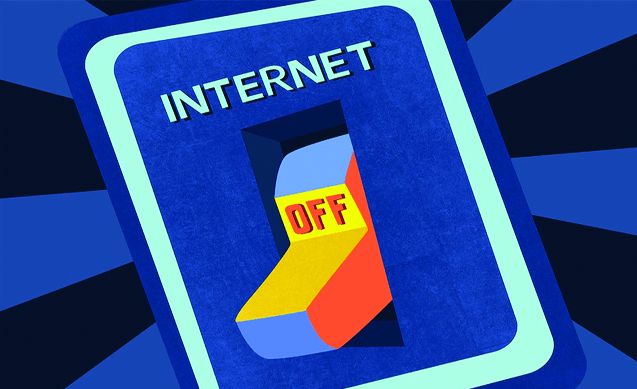
The Ugandan government is preparing to take a drastic step: imposing sweeping restrictions on internet access that could include outright bans on major social media platforms — if the tide of election-related misinformation continues to surge.
The warning comes as the nation edges closer to general elections scheduled for mid-January 2026, amid mounting concerns over the impact of false or inflammatory content online.
Speaking in Kampala at a press briefing, the acting Secretary-Commissioner of the Electoral Commission, Ronald Kamugisha, confirmed that the Commission is reviewing access to popular platforms including TikTok, YouTube, Facebook, X (formerly Twitter), and Instagram.
“All under review ahead of the general elections,” he announced. Those platforms, he said, are being evaluated for their potential role in facilitating the rapid spread of misinformation that could undermine the integrity of the electoral process.
This announcement has stirred unease across the country — and resurrected memories of what happened before the 2021 elections, when social media networks were shut down nationwide just days before polling began. That blackout left a lasting imprint on the public’s collective memory. In fact, one of the platform bans from back then — on Facebook — has never been fully reversed.
According to Mr. Kamugisha, the decision to consider such severe measures follows a regional initiative initiated by electoral bodies. During a recent gathering in Benin, African Electoral Commissions met with representatives of the major social media companies and voiced their frustrations over the platforms’ inability or unwillingness to control harmful content.
Mr. Kamugisha revealed the blunt message conveyed: “We pointed out to them that our governments have been left with no choice when some of these things happen, other than shutting down the internet altogether.”
He further accused the companies of having “created a monster that they could not regulate properly,” claiming they failed to provide adequate support when content-related crises escalated — leaving governments with no option but to “switch off the internet.”
The possibility of a comprehensive internet shutdown raises alarm, given the severity of consequences documented in similar circumstances elsewhere. Just over a month ago, during the October elections in neighboring Tanzania, the internet was reportedly switched off — a move that has since been linked to a wave of widespread violence.

Disturbing reports emerged afterward, alleging that security forces used immediate and lethal force against youth-led protests that followed the internet’s restoration. In the aftermath, some experts estimated that at least 700 individuals were extrajudicially killed. Gruesome accusations followed, including claims that victims’ bodies were removed from morgues, with allegations of remains being incinerated or buried in mass graves.
For many Ugandans — particularly those who remember the 2021 blackout — the thought of history repeating itself is deeply unsettling. Analysts warn that a shutdown could have profound ripple effects on information flow, public discourse, civic engagement, and citizens’ right to access news. It could also hinder independent media coverage, stifle transparency, and suppress dissent at a critical moment in the nation’s democratic trajectory.
As the 2026 election draws near, all eyes are now on the Electoral Commission’s next move: Will state authorities press ahead with restrictions that could reshape how Ugandans communicate, share information, and engage in political dialogue — or will they find less drastic ways to address misinformation without cutting off the digital lifelines many rely on every day?
📩 Email us: kamunyereports@gmail.com
📲 WhatsApp us: +256705569885
Your story matters—share it with us today! 🗞️🔥