Painful But Good Paying!! Ugandans Paid to Be Caned ‘Kiboko’ , Earn Easy Money
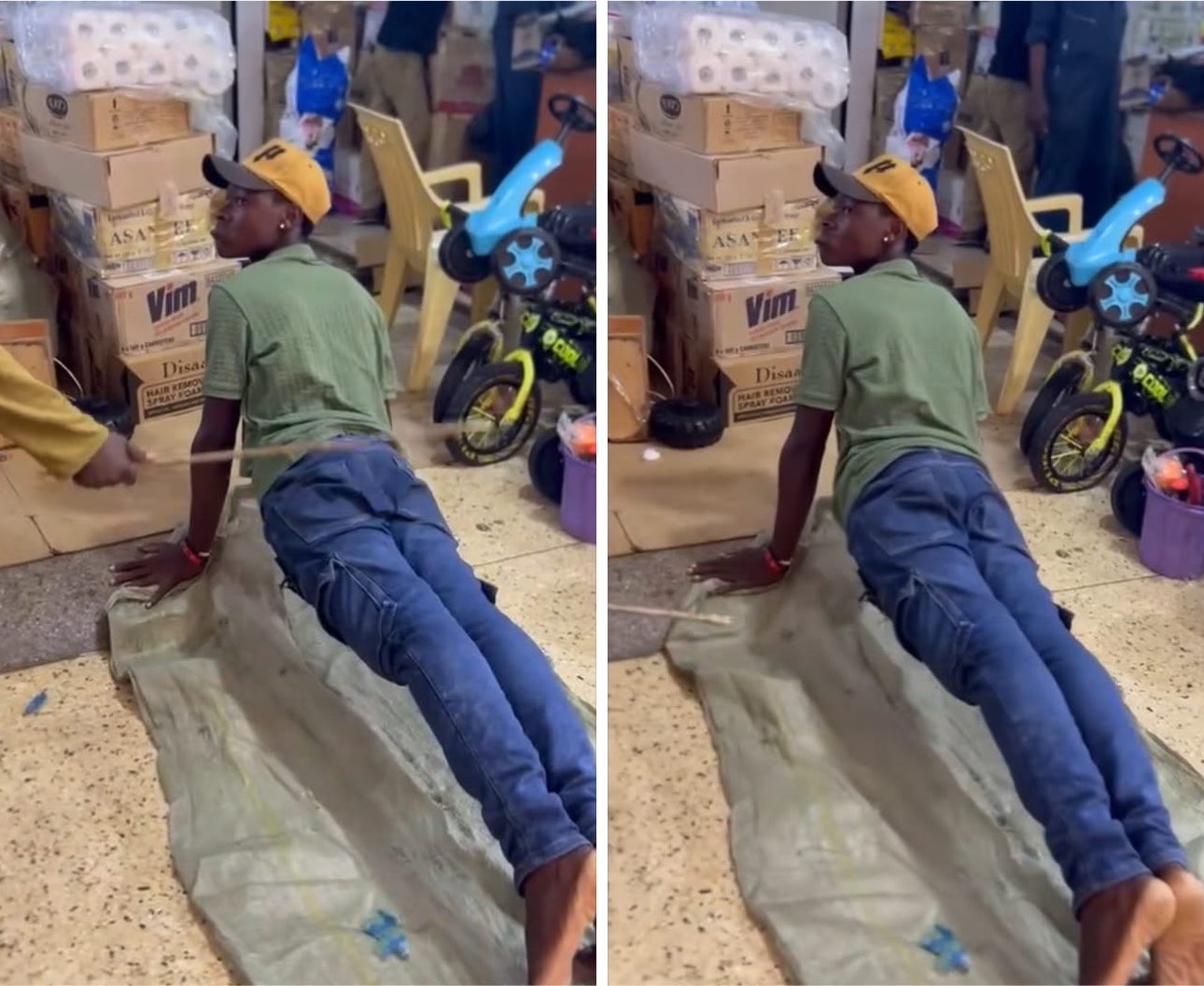
An unusual income-generating opportunity has emerged in Kampala, where a number of young people are reportedly earning money by allowing themselves to be caned during public demonstrations and entertainment events, highlighting the desperate lengths some unemployed youth are willing to go to secure even a small source of income.
According to accounts circulating in Kampala, participants are paid between UGX 10,000 and UGX 16,000 for each caning session, depending on the nature of the event and the number of strokes involved. While the payments may appear modest, many participants reportedly view the opportunity as a quick way to earn cash in an economy where formal employment remains difficult to find.
The development has attracted widespread discussion on social media, with many Ugandans expressing shock that physical punishment has effectively become a paid activity. Others have described the situation as a reflection of the country’s challenging employment environment, particularly for young people.
Uganda continues to grapple with significant youth unemployment despite having one of the youngest populations in the world. Official figures indicate that unemployment among Ugandans aged 18 to 30 currently stands at approximately 16.1 percent, leaving thousands of young people struggling to find stable and meaningful work.

For some of those taking part in the caning sessions, the earnings, although relatively small, can cover daily transport, meals or other immediate expenses. A payment of UGX 10,000 to UGX 16,000 may not appear substantial, but for unemployed youth without a regular income, it represents an opportunity that many say they cannot afford to ignore.
The phenomenon has also sparked debate about the commercialization of physical endurance and the growing number of unconventional jobs emerging in urban Uganda. While some observers view the practice as harmless if participation is voluntary, others argue that it reflects deeper socio-economic challenges facing the country’s youth.
Several social media users reacted with humor, noting that corporal punishment has long been part of school life and traditional discipline in many communities. One widely shared comment joked that “people used to be caned for free, so why not get paid for it now?” Others, however, argued that the joke masks a more serious reality—that unemployment is pushing young people toward risky or degrading activities simply to earn a day’s income.
Labour experts have repeatedly warned that prolonged youth unemployment can contribute to increased poverty, mental health challenges and the expansion of informal economic activities. They have called for greater investment in vocational training, entrepreneurship, industrial development and job creation programs aimed at absorbing Uganda’s rapidly growing workforce.
Economists also note that while Uganda’s economy has recorded growth in several sectors, employment creation has not always kept pace with the increasing number of young people entering the labor market each year. This mismatch has forced many to rely on casual work, informal trading and other unconventional means of earning a living.
The reported paid caning sessions have therefore become more than just an unusual curiosity. For many observers, they symbolize the resilience—and desperation—of young Ugandans navigating a difficult economic landscape where every opportunity to earn an income, no matter how unconventional, is likely to attract willing participants.
Whether the trend remains a short-lived novelty or evolves into a more common form of informal work, it has reignited conversations about Uganda’s unemployment challenge and the urgent need for sustainable jobs that provide young people with dignity, security and long-term economic opportunities.
📩 Email us: kamunyereports@gmail.com
📲 WhatsApp us: +256705569885
Your story matters—share it with us today! 🗞️🔥