Inside the Billion-Dollar Sukhoi Deal Powering Kampala’s Terrifying Sky Roars
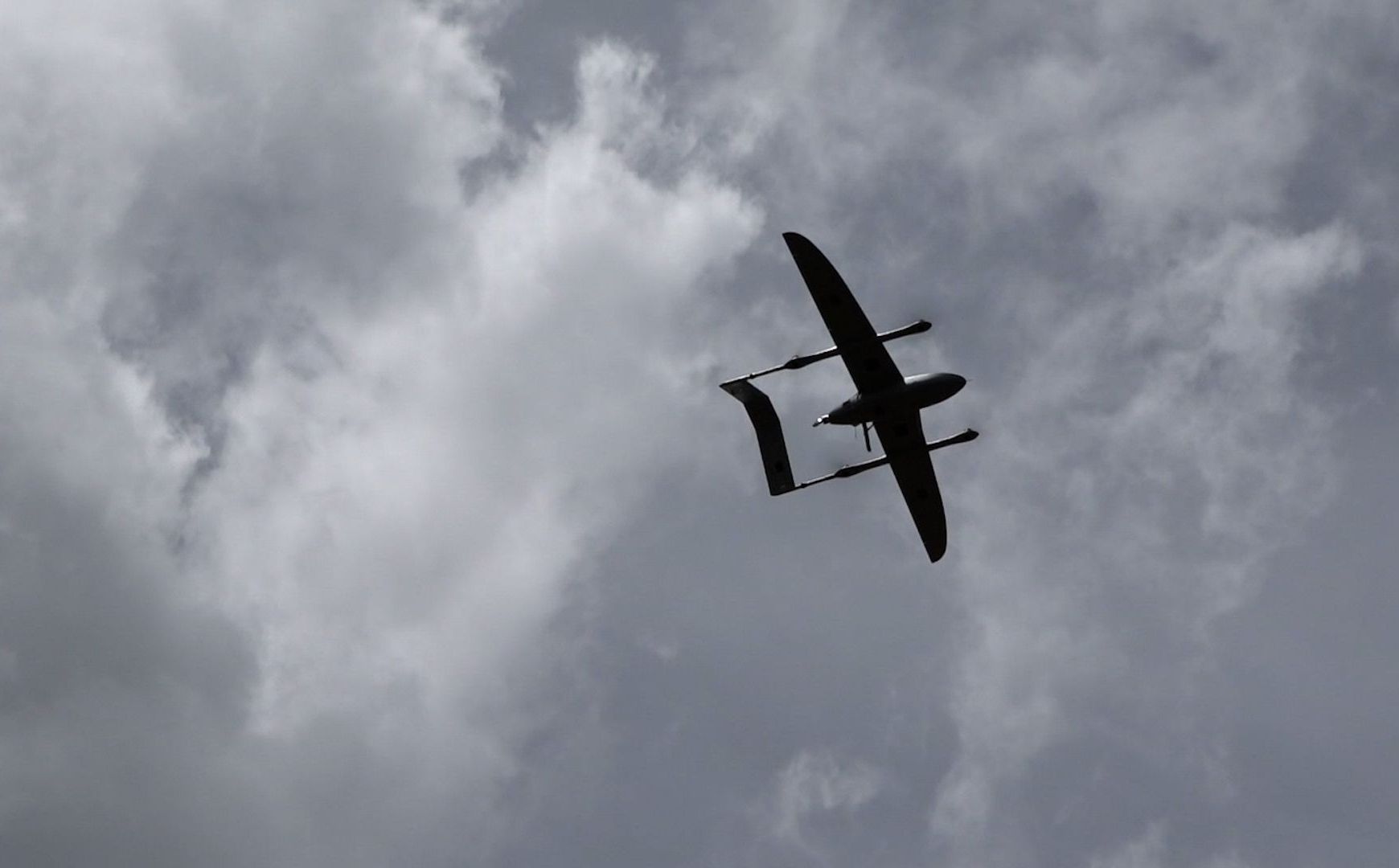
The piercing roar slicing through Kampala’s skies in recent days has left many residents glancing upward in curiosity and alarm. At first, some wondered whether it was an approaching storm, an aircraft in distress, or an unusual military operation. But as the deafening metallic shrieks continued to echo above the city, the answer became unmistakable — Uganda’s Sukhoi fighter jets were rehearsing ahead of President Yoweri Museveni’s swearing-in ceremony for yet another elective term in office.
The thunderous flyovers by the Uganda People’s Defence Forces-Air Force (UPDF-AF) have since become a spectacle of both fascination and debate. While government supporters view the aerial displays as a symbol of military strength and state grandeur ahead of Tuesday’s ceremony at Kololo Ceremonial Grounds, others are questioning the timing and cost of such exercises amid rising global fuel prices and mounting economic pressures.
If Tuesday’s inauguration is to carry the pomp and glamour typically associated with high-level state functions, then the Russian-made Sukhoi fighter jets are expected to play a starring role in the entertainment lineup.
Uganda’s Sukhoi Fleet
Uganda is believed to operate six Sukhoi Su-30MK2 multirole fighter jets under the UPDF-AF. The advanced 4.5-generation combat aircraft are among the most sophisticated weapons systems in the country’s military arsenal.
Powered by twin Saturn AL-31F afterburning turbofan engines, the aircraft are capable of reaching blistering speeds of up to 2,100 kilometres per hour. Aviation analysts describe the Su-30MK2 as a heavy fighter jet built for both air superiority and ground attack missions.
The aircraft were manufactured by Russia’s KnAAPO — the Komsomolsk-on-Amur Aircraft Plant — between 2000 and 2016. Uganda purchased the six jets in a controversial military procurement deal signed in 2011.

At the time, the acquisition reportedly cost Ugandan taxpayers approximately $740 million, equivalent to about Shs1.8 trillion based on the exchange rates of the period. Deliveries were completed in 2012, marking one of the biggest military purchases in Uganda’s history.
Since 2022, maintenance and servicing of the fleet has reportedly been handled by India’s Hindustan Aeronautics Limited (HAL), a state-owned aerospace and defence company.
Why Are the Jets So Loud?
For many Kampala residents, the defining feature of the Sukhois has not been their appearance in the sky but rather the terrifying sound they produce.
Military aviation experts say the Su-30MK2 is globally known for its aggressive acoustic signature — a deep roaring howl mixed with a sharp metallic screech that intensifies during acceleration and manoeuvres.
Over the past few days, that signature sound has reverberated across Kampala and surrounding areas, startling residents and at times triggering panic among those unfamiliar with military flight drills.
The noise largely stems from the aircraft’s twin-engine configuration and the use of afterburners. The Saturn AL-31F engines generate immense thrust, especially when pilots engage afterburning systems designed for rapid acceleration and combat manoeuvres.
It is this process that produces the signature high-decibel wail currently dominating Kampala’s airspace.
Massive Fuel Consumption
Beyond the spectacle, attention has also shifted to the operational cost of flying the sophisticated war machines.
The UPDF-AF’s Sukhoi Su-30MK2 fighter jets consume an estimated 10,200 litres of fuel per hour under standard operations. The figure rises sharply whenever afterburners are engaged, particularly during high-speed acceleration and ceremonial aerial demonstrations such as those expected during Tuesday’s swearing-in event.
The dramatic bursts of speed and low-altitude passes are likely to excite crowds gathering at Kololo. However, defence analysts note that the Su-30MK2 was primarily designed to carry heavy payloads and perform long-range missions rather than execute highly agile aerobatic displays.
As a result, aviation observers say spectators should expect powerful flyovers and thunderous acceleration rather than intricate aerial acrobatics associated with lighter fighter aircraft.
Fuel Concerns Amid Global Crisis
The Sukhoi rehearsals are also unfolding against the backdrop of a worsening global aviation fuel crisis triggered by the ongoing 2026 Middle East conflict.
The conflict has disrupted global supply chains and pushed jet fuel prices sharply upward, with the price per barrel reportedly doubling to between $150 and $200 in recent months.
Uganda has not been spared from the effects of the crisis.
As of April 20, the country reportedly had only 32 million litres of jet fuel in reserve — equivalent to approximately 53 days of supply cover. Authorities have since moved to strengthen fuel stocks, with an additional 23 million litres expected between May and June.
Despite these interventions, President Museveni himself recently acknowledged the need for prudent use of aviation fuel.

Speaking during the Africa We Build Summit held in neighbouring Kenya last month, the President stressed the importance of conserving aviation fuel in order to support Uganda’s tourism sector and export industry, both of which heavily depend on stable air transport operations.
Meanwhile, domestic airlines operating in Uganda introduced new fuel surcharges beginning May 1, increasing ticket costs by between $25 and $50 per flight.
Industry players warn the additional charges could hurt high-end tourism, one of the key drivers of domestic and regional air travel in Uganda.
Against this backdrop, some critics have begun raising uncomfortable questions over the ongoing Sukhoi displays above Kampala.
As thousands prepare to watch the military flyovers during Tuesday’s ceremony, debate continues over whether the costly aviation fuel being consumed for ceremonial exercises could have been redirected toward easing pressure on commercial aviation and the broader economy.
📩 Email us: kamunyereports@gmail.com
📲 WhatsApp us: +256705569885
Your story matters—share it with us today! 🗞️🔥