David Musiri Abducted!! Rising Alarm Over Reported Abductions Of Activists And Analysts In Uganda
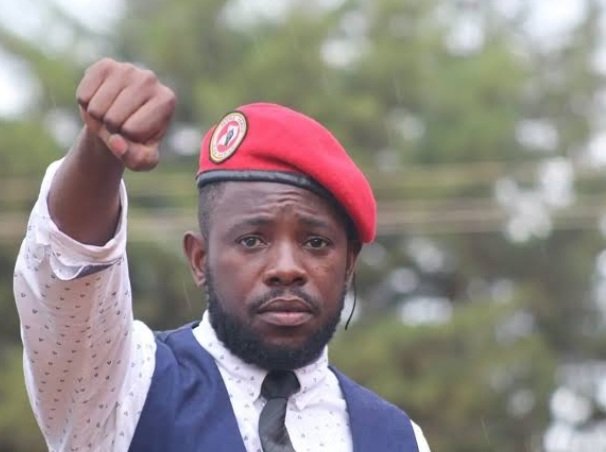
Reports of the forced disappearance of two prominent public voices in Kampala within a single day have intensified longstanding concerns about the treatment of government critics in Uganda.
On the morning of 14 November 2026, human rights and environmental activist David Musiri was reportedly seized from his home on Salaama Road by heavily armed operatives. Multiple accounts, including statements from National Unity Platform secretary general David Lewis Rubongoya and the Uganda Law Society, described the operation as involving military personnel in both uniform and plain clothes who transported him in an unmarked white van commonly known locally as a “drone.” His whereabouts remain unknown, and no official explanation has been issued by police or security agencies.
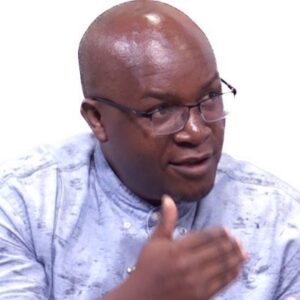

The incident followed closely on the heels of the previous evening’s reported abduction of political analyst and business executive Ronald Leonard Egesa. According to Radio One and corroborated by the Uganda Law Society, Egesa was taken from the shared parking area of Radio One and Akaboozi FM stations shortly after participating in a talk show.
Surveillance footage circulated by the station shows plainclothes men approaching and removing him. Egesa, a frequent commentator on governance and succession issues, had publicly criticised aspects of military leadership. Like Musiri, his location has not been disclosed, and authorities have issued no statement confirming any arrest or charges.
These events fit a broader pattern documented by local media, opposition figures, and rights organisations. Over recent months, individuals associated with critical commentary—ranging from activists and lawyers to online voices—have described being seized by unidentified armed men in unmarked vehicles and held without immediate access to courts or family.
High-profile cases have involved figures linked to opposition parties, while international outlets have reported similar claims involving young critics and civic actors. Government representatives have previously framed some post-election detentions as responses to criminal activity rather than political targeting, though specific responses to the Musiri and Egesa cases are absent from available public statements.
Musiri’s background adds context to the current reports. A former head of institutions within the National Unity Platform, he has a documented history of activism dating back to student protests at Makerere University over tuition increases. He later engaged in environmental and human rights advocacy, including public criticism of oil sector policies and calls for greater judicial independence.
He has faced previous arrests and charges that his supporters described as politically motivated. Egesa, by contrast, operates primarily as a commentator and corporate executive, regularly appearing on radio and television to analyse political strategy and institutional issues.
Civil society responses have been swift. The Uganda Law Society issued statements condemning both incidents as inconsistent with constitutional protections and international human rights standards on personal liberty and due process.
Activists and opposition voices have used social media to call for the immediate release of Musiri, Egesa, and others they describe as political prisoners, employing hashtags that demand an end to enforced disappearances. As of the latest available reporting on 14 November, neither man had been produced in court or located in any known detention facility.
These developments occur against a backdrop of ongoing political tension following Uganda’s 2026 elections, with veteran opposition leader Kizza Besigye remaining in detention on treason-related charges he denies and National Unity Platform leader Robert Kyagulanyi (Bobi Wine) having left the country earlier in the year. While authorities maintain that security operations target criminality, the repeated use of unmarked vehicles, the absence of immediate public accounting, and the targeting of media and civic spaces continue to fuel public debate over the space for dissent.
Families, colleagues, and legal advocates are now seeking clarity on the status of Musiri and Egesa, underscoring the human cost of unresolved disappearances in a climate of heightened political sensitivity.
📩 Email us: kamunyereports@gmail.com
📲 WhatsApp us: +256705569885
Your story matters—share it with us today! 🗞️🔥