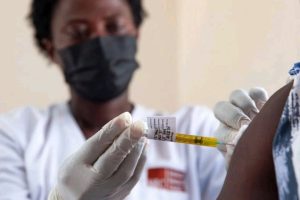
Women’s Health: A Vital Conversation That Deserves More Attention

Women’s health is an ever-evolving field that touches every stage of life—from adolescence and menstruation to pregnancy, menopause, and beyond. It encompasses not just reproductive health, but also mental, emotional, and physical well-being. Yet, despite the critical role it plays in shaping communities and societies, women’s health often doesn’t receive the comprehensive attention it deserves.
One of the most unique aspects of women’s health is how intricately it is connected to hormonal changes. From puberty to menopause, fluctuations in estrogen and progesterone can affect everything from mood and energy to bone density and heart health. Understanding these hormonal patterns is key to preventing long-term health issues, yet many women aren’t taught how their bodies truly work. This lack of awareness can lead to delayed diagnoses and misunderstood symptoms—especially in conditions like endometriosis, polycystic ovary syndrome (PCOS), and even heart disease, which often presents differently in women than in men.
Mental health is another essential, yet often overlooked, pillar of women’s health. Studies show that women are more likely to experience anxiety, depression, and PTSD. Societal expectations, hormonal influences, and the balancing act between career, family, and personal identity can take a toll. Creating safe spaces where women can speak freely about their struggles, seek support, and access therapy without stigma is just as important as physical health checkups.
Preventive care also plays a significant role. Routine screenings such as mammograms, Pap smears, and bone density tests help detect potential issues early, when they are most treatable. Nutrition, exercise, and lifestyle choices are powerful tools in preventing chronic illnesses like diabetes and cardiovascular disease. Yet access to this care is not always equal. Socioeconomic status, race, geographic location, and cultural norms can create barriers that limit a woman’s ability to take control of her health.
Thankfully, awareness is growing. More women are demanding answers, advocating for their rights in medical settings, and challenging outdated norms. The future of women’s health looks promising, with advances in technology, personalized medicine, and more inclusive research paving the way for a healthier, more informed generation of women.
In the end, prioritizing women’s health isn’t just a personal matter—it’s a societal one. When women thrive, families flourish, and communities prosper. It’s time to keep the conversation going, and to ensure that every woman, everywhere, has the opportunity to live her healthiest life.
📩 Email us: kamunyereports@gmail.com
📲 WhatsApp us: +256705569885
Your story matters—share it with us today! 🗞️🔥