Inside Uganda’s Illegal Holiday Teaching Boom Despite Ministry Crackdown Threats
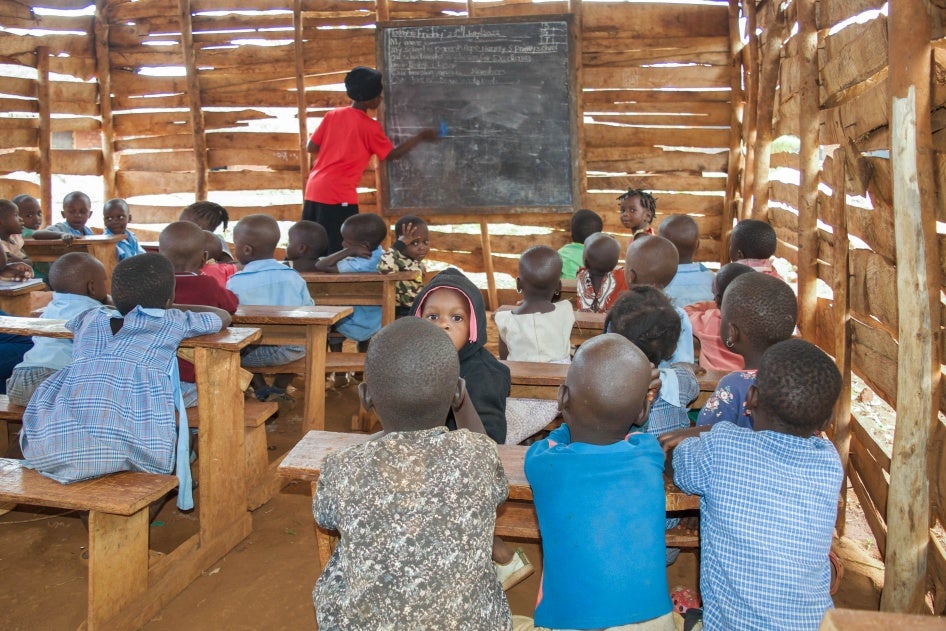
Despite repeated warnings from the Ministry of Education and Sports against conducting lessons during school holidays, many schools across Uganda continue to operate intensive holiday programmes, raising fresh concerns about learner fatigue, commercialisation of education and weak enforcement of government directives.
Although the ministry officially declared a three-week holiday break intended to allow learners and teachers to rest after a demanding school term, classrooms in several parts of the country remain active, with pupils reporting for lessons as early as dawn.
In Kampala, Wakiso and surrounding urban centres, children dressed in school uniforms and carrying heavy backpacks can still be seen boarding boda bodas and taxis every morning, creating the impression that the academic term never ended.
The situation has sparked concern among parents and education stakeholders, some of whom say the growing culture of holiday teaching is depriving children of rest and placing unnecessary pressure on families.
Alex Kakeeko, a resident of Nansana, said he was shocked to see learners continuing with normal school routines during what was supposed to be a break.

“It’s a holiday, but learners are still going to school as if it were still term time. When do these children rest?” Kakeeko wondered.
Across many private schools, especially those targeting candidate and pre-candidate classes such as Primary Six, Primary Seven, Senior Three and Senior Four, holiday coaching has become increasingly normalised.
Unlike in previous years when some institutions conducted the programmes discreetly, schools are now openly advertising holiday classes through social media posters, WhatsApp groups and official circulars sent directly to parents.
Some institutions have even introduced alternative academic calendars specifically designed around holiday coaching.
For instance, St. Theresa Rubaga Girls School reportedly instructed P6 and P7 learners to report on May 4, 2026, for what the school referred to as “Term X,” effectively extending the school term into the holiday period.
Other schools have embraced digital learning during the break. Mengo Senior School, for example, is said to be conducting online academic sessions running from morning until afternoon, keeping learners engaged throughout the supposed rest period.
Education observers say the trend reflects growing academic competition among schools, pressure from parents seeking better examination results, and fears among administrators of being outperformed by rival institutions.
Uganda already operates one of the region’s longest school calendars, with learners spending extended hours in classrooms compared to many neighbouring countries. Education experts argue that the three-week holiday was designed specifically to help learners recover mentally and physically before resuming another intensive academic term.
However, critics say the continued expansion of holiday lessons is gradually turning school breaks into unofficial extra terms.

The Ministry of Education has for years condemned the practice, describing holiday teaching as an unhealthy “vice” that undermines the national education framework and affects learner wellbeing.
This year, the ministry intensified its warnings, announcing that enforcement had been decentralised and that district authorities, police and Chief Administrative Officers would directly handle schools found violating the directive.
Despite the strong language, enforcement on the ground appears limited, with many institutions continuing operations openly without fear of sanctions.
Speaking to our reporter, Frances Atima, the Director of Education Standards, said the ministry is taking stronger administrative action behind the scenes against offending schools.
She revealed that authorities are currently compiling lists of institutions conducting holiday teaching and forwarding them to the Permanent Secretary for possible disciplinary action and sanctions.
Still, public opinion on the issue remains sharply divided.
Kenneth Mirimu, a parent from Nabweru, noted that ministry directives tend to be respected mainly in government schools, while private institutions often continue operating with little interference.
“Public schools usually comply because they are directly supervised by government authorities, but private schools tend to ignore such directives,” Mirimu observed.
Musician Mazo M16, who is based in Nansana, strongly criticised the continued practice of holiday teaching, describing it as harmful to learners and exploitative to parents.
He argued that children need adequate time to rest, socialise and recover from academic pressure instead of being subjected to continuous classroom schedules throughout the year.
Mazo also questioned why schools claim they need extra time to complete the syllabus.
“What exactly are schools teaching in those three weeks that they failed to teach during the entire term?” he asked, urging government authorities to close schools that ignore ministry directives.
However, not all parents oppose the programmes.
Richard Kakembo, another parent, defended holiday coaching, saying some families voluntarily request additional lessons to help struggling learners improve academically.
According to Kakembo, holiday classes provide extra attention to weaker students who may not fully grasp lessons during regular classroom sessions.
David Ssebakide, a resident of Bwaise, also supported the practice, arguing that holiday programmes help keep children productive and prevent idleness during long breaks.
He said some schools use the period to revise difficult topics and complete sections of the curriculum that may not have been adequately covered during the term.
Still, education analysts question the validity of that argument, noting that Uganda’s national curriculum is already structured according to the official school calendar and term timetable approved by the Ministry of Education.
Critics argue that if schools effectively utilise the regular academic term, there should theoretically be no need for additional teaching during holidays.
As debate over holiday teaching intensifies, questions continue to emerge over whether the issue is being driven by genuine academic concerns, competition for examination performance, or the growing commercialisation of Uganda’s education sector.
📩 Email us: kamunyereports@gmail.com
📲 WhatsApp us: +256705569885
Your story matters—share it with us today! 🗞️🔥