Inequality in Access to Quality Education: A Barrier to True Progress
Education is often hailed as the great equalizer—a tool that empowers individuals, uplifts communities, and fosters national development. Yet, across the globe, millions of children and young adults are denied access to quality education due to deep-rooted inequalities. These disparities are shaped by socio-economic status, geographic location, gender, race, and disability, leaving a significant portion of the population behind.
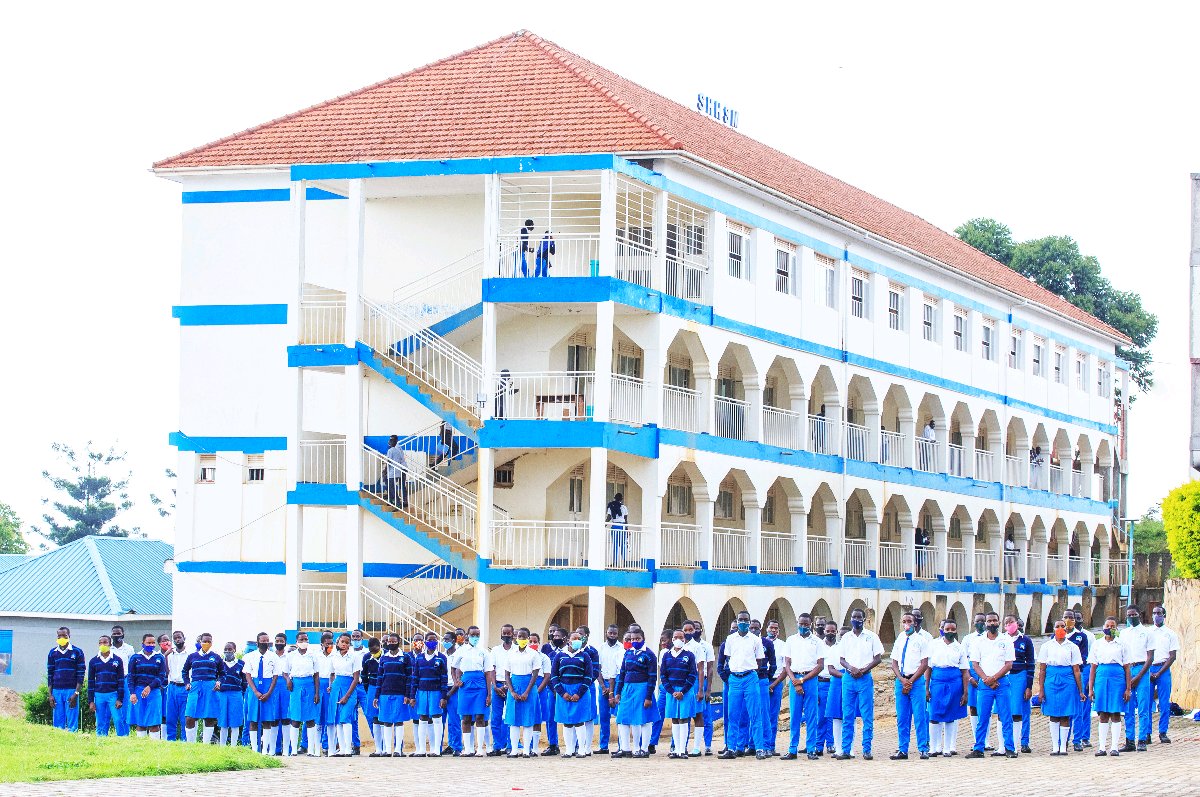
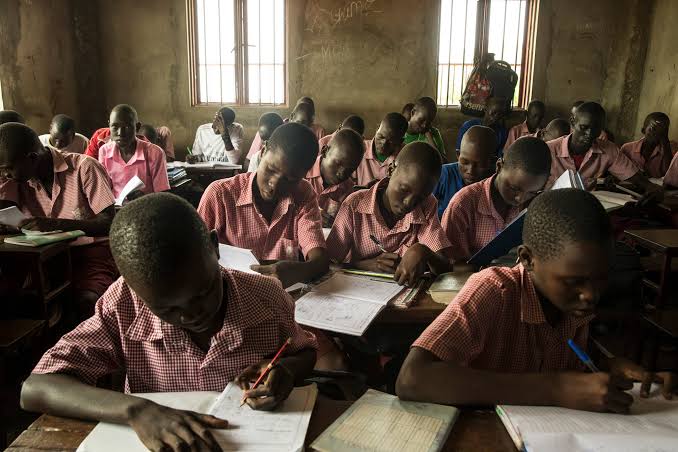
In low-income communities, schools often suffer from inadequate funding, outdated learning materials, overcrowded classrooms, and underqualified teachers. While affluent neighborhoods boast well-equipped institutions and enriched learning environments, students in disadvantaged areas struggle with the bare minimum. This creates a cycle where children from wealthier families have greater opportunities to succeed, while those from poorer backgrounds face systemic obstacles at every turn.
Rural and marginalized regions also experience educational neglect. In many parts of the world, children walk miles to reach a classroom, only to be taught in crumbling buildings with limited resources. Urban centers tend to attract more investment and talent, widening the urban-rural education gap. For girls and children with disabilities, the barriers are even more profound—cultural norms, discrimination, and lack of inclusive infrastructure further limit their chances of receiving an equal education.
The digital divide has added a new dimension to this issue. As learning increasingly moves online, students without access to technology or the internet are left further behind. The COVID-19 pandemic starkly exposed this reality, with millions unable to continue their education from home, exacerbating existing inequalities.
Addressing inequality in education requires more than policy—it demands commitment and action. Governments, NGOs, and communities must prioritize equitable funding, teacher training, infrastructure development, and inclusive curricula. Education should not be a privilege reserved for the few but a fundamental right for all. Until access to quality education is truly universal, the world will continue to fall short of its potential for fairness, progress, and unity.
📩 Email us: kamunyereports@gmail.com
📲 WhatsApp us: +256705569885
Your story matters—share it with us today! 🗞️🔥