
Curriculum Reforms and Controversies: Shaping the Future of Education
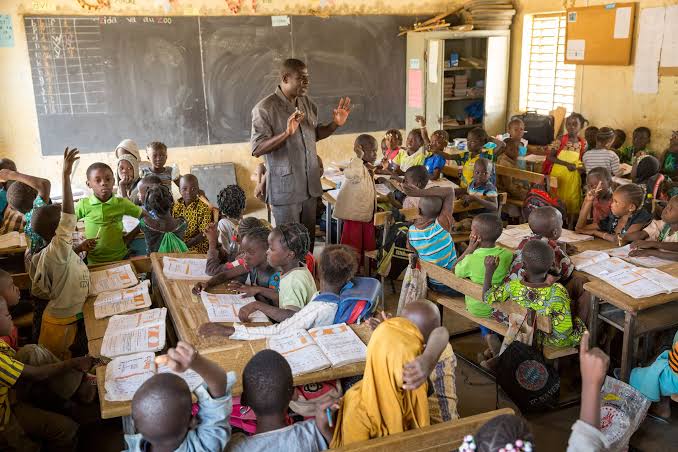
Curriculum reforms are at the heart of any nation’s effort to improve its education system and better prepare students for the challenges of a rapidly changing world. These reforms aim to modernize what is taught in schools by incorporating current knowledge, technology, and teaching strategies.
However, despite their good intentions, curriculum changes often ignite heated debates among educators, parents, politicians, and even students. At the center of these controversies lie deep-rooted disagreements about what knowledge is most valuable, whose history gets told, and how much influence governments and other stakeholders should have in shaping young minds.
One of the main drivers behind curriculum reform is the need to equip students with 21st-century skills such as critical thinking, digital literacy, and adaptability. Countries worldwide have shifted from rote memorization to more inquiry-based and learner-centered approaches. For instance, some have integrated climate education, coding, and financial literacy into their core subjects. While many praise these changes as forward-thinking, critics argue that such shifts may come at the expense of traditional academic rigor. Some fear that essential subjects like literature or history may be “watered down” or sidelined, leading to a generation of students less grounded in cultural and historical knowledge.
Another source of controversy is the inclusion—or exclusion—of sensitive social and political topics. In recent years, debates have erupted over how subjects like colonialism, gender identity, race, and religion are presented in school curriculums. In some regions, proposed reforms have led to public protests, legal battles, and even curriculum bans. Supporters of inclusive education argue that students deserve a more honest, diverse, and representative view of history and society. On the other hand, opponents often accuse these reforms of promoting biased narratives or eroding traditional values. This tug-of-war reflects broader societal tensions and underscores the idea that curriculum is never neutral; it reflects the values and priorities of those in power.
Despite the controversies, curriculum reform remains essential for educational progress. The challenge lies in finding a balance between innovation and tradition, inclusion and neutrality, academic rigor and relevance. Successful reforms often come from meaningful dialogue among stakeholders and a willingness to adapt based on feedback and results. After all, the ultimate goal is to create an educational system that prepares students not only for exams, but for life as informed, thoughtful, and capable global citizens.
📩 Email us: kamunyereports@gmail.com
📲 WhatsApp us: +256705569885
Your story matters—share it with us today! 🗞️🔥