U.S. Aid Freeze Puts Millions at Risk as Schools Shut and Patients Go Without Medicine
Millions of vulnerable people worldwide are feeling the effects of a sweeping freeze on U.S. foreign aid, following an executive order by President Donald Trump. The decision, aimed at reviewing aid expenditures under the “America First” agenda, has left critical humanitarian programs in limbo.
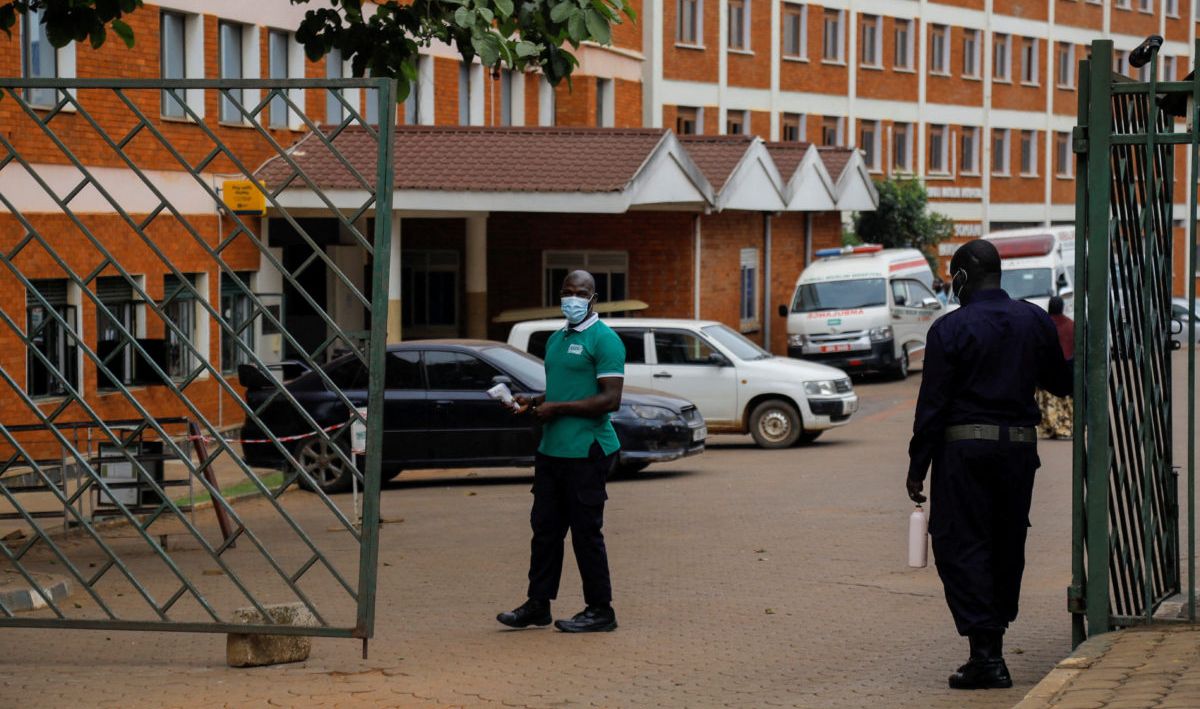
In Uganda, schoolchildren who once benefited from a U.S.-backed universal education program now face an uncertain future as schools struggle to keep their doors open. Meanwhile, in South Sudan, thousands of flood victims who relied on U.S. assistance for survival are at risk of disease and starvation.
Though the Trump administration has issued waivers for emergency food and some humanitarian aid, aid workers report growing disruption. “Even if funding resumes after the 90-day review, the damage will be lasting,” said Peter Waiswa, an aid coordinator in Uganda. He warned that a lack of HIV/AIDS medication for even a few days could be fatal for patients relying on consistent treatment.
In South Sudan’s Aweil region, orphanage teacher James Akoon Akot voiced concerns over the stalled aid efforts. “Relief funds are essential for both immediate survival and long-term recovery,” he said. “Without them, hunger and disease will take hold.”
The U.S., which provided $64 billion in development aid in 2023, has historically led global humanitarian efforts. Among its flagship programs is PEPFAR, the anti-HIV/AIDS initiative launched under President George W. Bush, credited with saving millions of lives. While Secretary of State Marco Rubio has since authorized exceptions for medicine and shelter, aid workers say logistical hurdles remain.
In Malawi, nurse Suzy Dzimbiri reported that people have begun stockpiling medication amid uncertainty, with one local HIV treatment center, Lighthouse, shutting down. A congressional aide in Washington confirmed that delays in approval were affecting the distribution of life-saving antiretroviral drugs. “We have medicine ready to go, but it’s been ordered to stay on the shelf,” the aide revealed.
The freeze has also raised concerns about long-term U.S. credibility in international aid. Some analysts fear that developing nations may increasingly turn to alternative partners such as China, which has been expanding its global influence through infrastructure and humanitarian projects.
While Rubio defended the decision, arguing that aid spending must align with U.S. national interests, critics warn of devastating consequences. A senior U.S. aid official, speaking anonymously, likened the move to “burning down the foundations while claiming to renovate the house.”
As uncertainty lingers, aid organizations, local communities, and global leaders are left grappling with the fallout of the sudden shift in U.S. foreign policy.
📩 Email us: kamunyereports@gmail.com
📲 WhatsApp us: +256705569885
Your story matters—share it with us today! 🗞️🔥