Breaking!! Uganda Law Society Calls For Police Probe Into Andrew Mwenda Over Basement Remarks
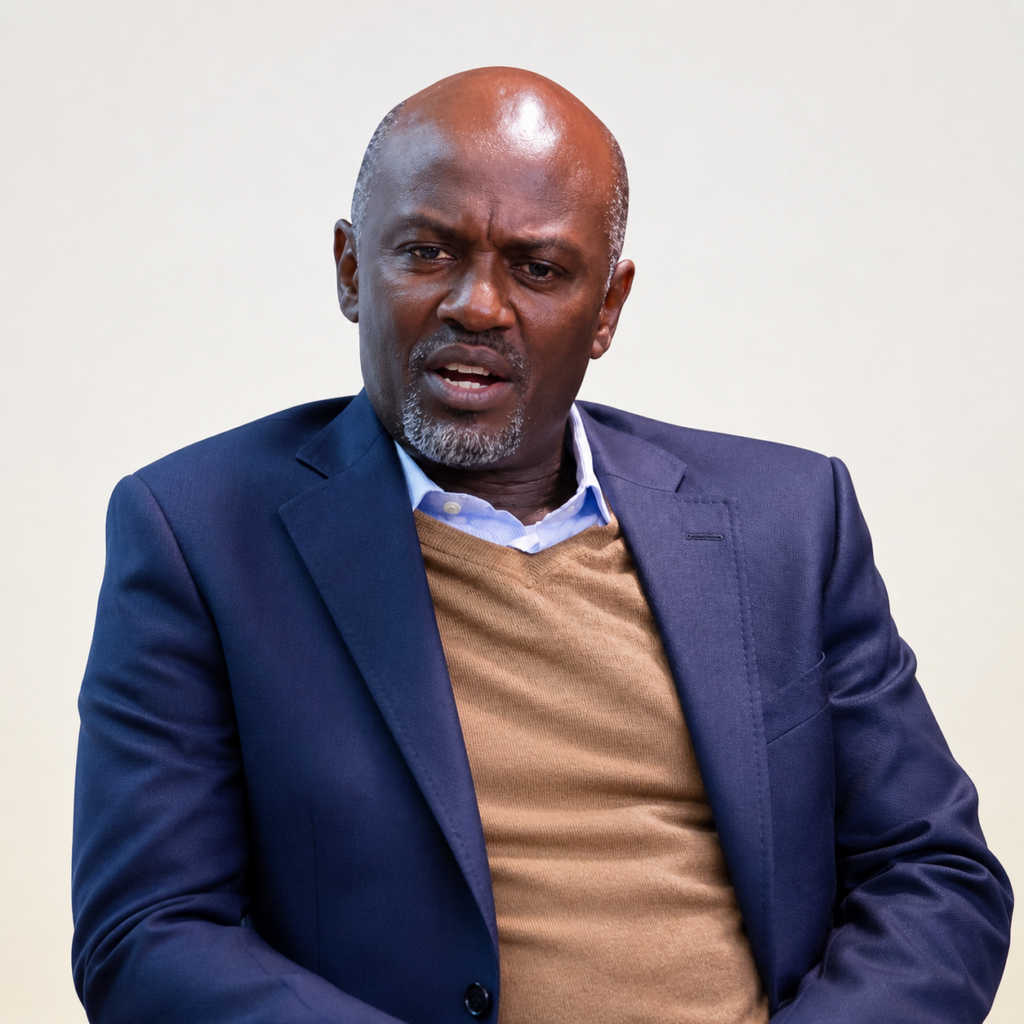
The Uganda Law Society has formally called on authorities to investigate prominent journalist and commentator Andrew Mwenda following public remarks in which he appeared to defend or justify the use of abductions, secret era facilities, and corporal punishment by security forces.
The demand, issued in a strongly worded statement on 17 November 2026, follows an interview Mwenda gave the previous day on the Simply Legal programme hosted by lawyer Terry Kahuma. The interview carried a provocative title framing abductions, torture, and “the basement” as necessary tools for Uganda’s development, anti-corruption efforts, and political succession.
According to the Law Society, Mwenda went beyond ordinary political commentary. The society accused him of publicly advocating practices that violate Uganda’s constitutional protections against torture and unlawful detention. It specifically urged the Director of Public Prosecutions to direct police to examine whether the statements constitute criminal offences under the Prevention and Prohibition of Torture Act, the Anti-Terrorism Act, and relevant provisions of the Penal Code Act.
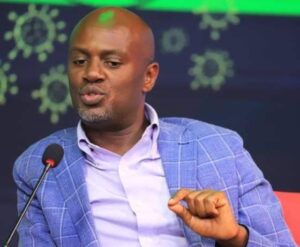

Isaac Ssemakadde, identified as ULS President in the statement, argued that neither the fight against corruption, public interest, nor national development could justify such measures. He stated that no superior officer may invoke those rationales as a defence under the law or the Constitution, and warned that the normalisation of “the basement, the stick and the disappearance” threatens the rule of law.
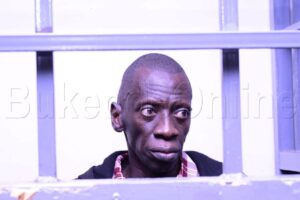
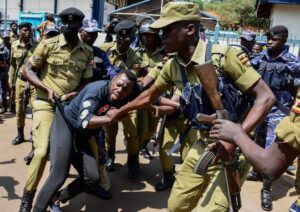
The controversy emerged against a backdrop of reported abductions in Kampala. The Law Society separately demanded the release of three individuals linked to its work who were said to have gone missing over the same weekend: technology and cybersecurity expert Ronald Leonard Egesa, Students’ Brotherhood president general David Musiri, and trainee advocate Prosper Julian Ahabwe.
Society officials described Mwenda’s remarks as providing public justification and psychological preparation for extrajudicial practices already alleged to be in use.
In the interview, Mwenda was reported to have discussed the deployment of soldiers, the use of physical force including whipping, secret underground detentions where individuals might not appear in court, and extrajudicial measures as instruments for enforcing discipline and advancing the political project associated with Gen. Muhoozi Kainerugaba and the Patriotic League of Uganda.
Some accounts noted that he later described “the basement” in metaphorical terms as severe consequences for those undermining the public interest, particularly in contexts of disorder such as unregulated boda boda traffic and official corruption that evades ordinary judicial processes through bribery.
On 20 November 2026, interviewer Terry Kahuma issued a public clarification and apology. He stated that the promotional clip circulating online had been edited in a way that omitted Mwenda’s specific examples concerning boda boda riders who flout traffic laws and public officials who loot resources while buying their way out of accountability. Without that context, Kahuma acknowledged, the clip created the impression that Mwenda was calling for force against Ugandans generally or advocating abduction and torture.
Kahuma said Mwenda had been expressing frustration shared by many Ugandans about the lack of effective enforcement and the political protection afforded to certain groups, and that he was not advocating abduction or torture. The apology took responsibility for the misrepresentation.
Justice and Constitutional Affairs Minister Norbert Mao has also publicly rejected the hardline approach attributed to the remarks, insisting that Uganda cannot achieve development or order by abandoning constitutional safeguards and the rule of law. He has called for an end to unlawful and incommunicado detention, describing secret facilities and the practice of holding people without informing families or allowing legal access as unconstitutional.
Mao has stressed that any desire for stronger measures should be pursued through legal channels rather than through methods outside established procedures.
The episode has intensified debate over the boundaries of political commentary, the absolute prohibition on torture under Ugandan law, and the role of security agencies in a constitutional order. The Law Society has indicated it will continue to document and challenge what it sees as the normalisation of extrajudicial practices, while also pressing for the release of those it says remain missing.
As of 20 November 2026, the Director of Public Prosecutions had not publicly confirmed whether an investigation into Mwenda’s statements had been opened. The case underscores ongoing tensions in Uganda between demands for order and accountability on one side and protections for individual liberty and due process on the other.
📩 Email us: kamunyereports@gmail.com
📲 WhatsApp us: +256705569885
Your story matters—share it with us today! 🗞️🔥