UHRC Manual Puts COSASE Findings on Closed Complaints Under Fresh Scrutiny
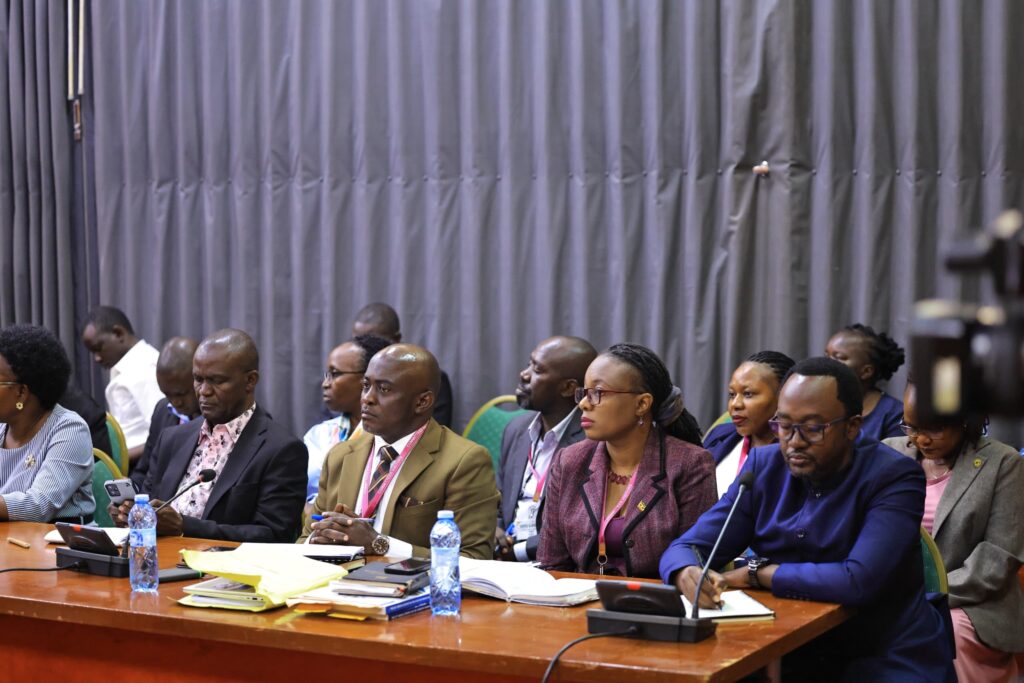
The Uganda Human Rights Commission (UHRC) has presented its 2015 Human Rights Complaints Handling Procedures Manual as a key reference in the growing debate over parliamentary findings on complaints closed by the institution. The controversy follows an investigation by Parliament’s Committee on Commissions, Statutory Authorities and State Enterprises (COSASE), chaired by Kyadondo East MP Muwada Nkunyingi, which examined issues raised in the Auditor General’s report for the financial year ended December 31, 2025. The committee’s conclusions have raised questions about the Commission’s handling of complaints and the accountability of officials responsible for its operations.
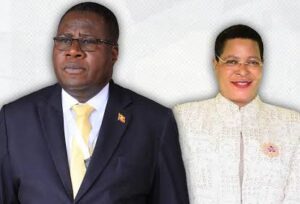
The findings reportedly place responsibility on senior UHRC officials, including Pauline Nansamba Mutumba, the Director of Complaints, Investigation and Legal Services, while also proposing action against Chairperson Mariam Wangadya. However, provisions in the Commission’s manual outline the responsibilities of regional officers, the Director and the Chairperson in managing complaints and reviewing decisions. These procedures have become central to questions about whether the committee’s conclusions sufficiently considered the Commission’s established administrative framework before recommending action against individual officials.
When contacted yesterday for a comment on the findings concerning the closure of cases, a senior officer who preferred not to be named before the report is debated shared with us the Commission’s Human Rights Complaints Handling Manual, arguing that the finding was erroneous. The officer’s response highlighted provisions that allow designated officials to close complaint files under specified circumstances and provide mechanisms through which such decisions can be reviewed. The manual offers a framework against which the disputed findings can be examined, although the circumstances of individual cases remain important in determining whether the rules were properly applied.
Under Section 6.5, Regional Human Rights Officers have the authority to close complaint files at different stages of the handling process. The procedure requires complainants to be notified of the decision and informed of their right to appeal to the Director. Regional offices must also submit monthly reports detailing closed complaints and the reasons for their closure. Section 6.6 outlines the Director’s authority to approve recommendations, amend them or return files for further investigations or alternative action. Section 15.8 further assigns the Director supervisory responsibilities, including reviewing files from regional offices and monitoring the timely disposal of complaints.
The manual also establishes procedures for challenging decisions made during complaints handling. Section 13.1.1 allows complainants to appeal certain regional office decisions to the Director, including decisions to close files during investigations. Such appeals are generally required within 21 days, while the Director has 30 days to determine whether to allow the appeal or uphold the original decision. Under Section 13.1.2, complainants may also appeal certain administrative decisions made by the Director to the Chairperson. These provisions indicate that complaint closures are subject to an established review process, but they do not, by themselves, prove that every decision questioned by COSASE was lawful or procedurally correct.
Another point of contention concerns the committee’s reported recommendation that Wangadya be held personally responsible for complaints considered to have been irregularly closed and that the affected cases be reopened. An analysis of the findings questions whether sufficient attention was given to the circumstances of individual complaints, the officials involved in the decisions and the procedures applicable at the time. It also raises concerns about the practical implications of reopening cases in an institution already dealing with a backlog and resource constraints. Establishing responsibility would require examining the relevant records and evidence rather than relying solely on the fact that complaints were closed.
The report has also attracted attention over the recommendation that Wangadya and other commissioners be retired in the public interest. Questions have been raised about the legal requirements governing such action and whether all aspects of the inquiry remained within the committee’s mandate. Rule 187 of Parliament’s Rules of Procedure provides for the examination of audited accounts and reports of statutory authorities and consideration of the Auditor General’s recommendations. The legal framework governing the UHRC also provides avenues for challenging certain Commission decisions, including recourse to the High Court, subject to the applicable requirements. The extent to which these provisions affect the committee’s recommendations remains a matter for examination.
Parliament is expected to consider the COSASE report alongside findings from the Legal and Parliamentary Affairs Committee, providing an opportunity to scrutinise the evidence, the Commission’s explanations and the legal basis for the proposed actions. The central question is whether the disputed complaints were handled in accordance with established procedures and whether the evidence supports the conclusions reached about individual responsibility. While parliamentary oversight is essential in ensuring accountability, the UHRC manual provides an important basis for understanding the powers and obligations of officers involved in complaints management. Ultimately, the final assessment should distinguish between decisions permitted under the established rules and cases where specific evidence demonstrates that those rules were breached.
📩 Email us: kamunyereports@gmail.com
📲 WhatsApp us: +256705569885
Your story matters—share it with us today! 🗞️🔥