BREAKING NEWS!! Muhoozi’s Boy David Kabanda To Replace Dr Lawrence Muganga As State Minister Of Internal Affairs, See Why

KAMPALA — The rejection of Dr. Lawrence Muganga’s ministerial nomination by Parliament’s Appointments Committee has intensified debate over Uganda’s dual citizenship laws and the eligibility of holders of foreign nationality to occupy sensitive government positions.
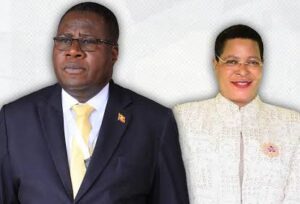
Dr. Muganga, the Vice Chancellor of Victoria University, had been nominated by President Yoweri Museveni for the position of State Minister for Internal Affairs. However, his nomination failed to secure approval after members of the Appointments Committee raised concerns regarding his citizenship status and compliance with legal requirements governing public office holders.
According to reports from parliamentary sources, committee members were not satisfied with explanations provided regarding allegations that Muganga holds multiple citizenships, including Ugandan and Canadian citizenship, with some reports also raising questions about a possible Rwandan citizenship history. The committee reportedly sought documentary evidence demonstrating that any foreign citizenships had either been renounced or that the process of renunciation had been formally initiated.
The controversy emerged shortly after President Museveni unveiled his new ministerial appointments. Before the vetting exercise, petitions had already been submitted to Parliament challenging Muganga’s eligibility to serve as a minister under Uganda’s Citizenship and Immigration Control (Amendment) Act, 2009. The petitions argued that the law restricts holders of dual citizenship from occupying certain offices of state, including ministerial positions.
One of the petitioners, lawyer Deric Fredric Namakajo, urged Parliament to halt Muganga’s vetting until conclusive proof was produced showing that he no longer possessed foreign citizenship. The petition cited Section 19D of the law and argued that the Ministry of Internal Affairs, which oversees immigration, citizenship administration and related security functions, requires holders of office to maintain undivided allegiance to Uganda.
During and after the vetting process, Muganga defended himself against the allegations. He acknowledged previously holding Ugandan and Canadian citizenship and maintained that obtaining foreign nationality did not diminish his patriotism or commitment to Uganda. He argued that many Ugandans living abroad acquire foreign citizenship while continuing to contribute to their homeland through investments, remittances and professional expertise.
Despite those explanations, the committee ultimately declined to endorse his nomination. Reports indicate that while other nominees facing similar questions regarding dual citizenship were able to proceed after presenting evidence that they had begun the renunciation process, Muganga failed to convince a majority of committee members.
His rejection has triggered a wider national debate involving politicians, lawyers, academics and retired security officials. Some legal experts have argued that the existing restrictions remain valid and should be strictly enforced, particularly in ministries linked to national security and internal affairs. Others have questioned whether the restrictions themselves are constitutional, given that Uganda legally recognizes dual citizenship.
Retired General David Sejusa recently weighed into the discussion, arguing that while dual citizenship should not necessarily disqualify Ugandans from political leadership, positions connected to defence and security require stricter standards of national allegiance. He questioned why the law should be ignored if Parliament has not formally amended it.
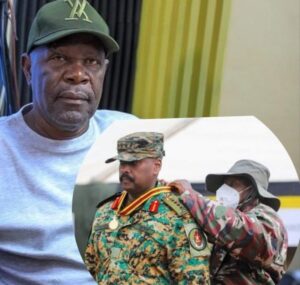
The rejection has also fueled political speculation regarding who could eventually assume the Internal Affairs docket. Political circles have increasingly mentioned Kasanda County Member of Parliament David Kabanda as a possible replacement, with supporters pointing to his growing influence within the ruling National Resistance Movement and his perceived closeness to Chief of Defence Forces Gen. Muhoozi Kainerugaba.
However, no official communication from State House or Parliament had, by press time, confirmed Kabanda’s appointment or nomination to replace Muganga. Any such move would require a fresh presidential nomination and subsequent vetting by Parliament’s Appointments Committee before becoming effective.
For now, Muganga’s failed vetting stands as one of the most significant outcomes of the current ministerial approval process, highlighting the continuing legal and political tensions surrounding dual citizenship in Uganda. The episode has renewed calls for Parliament and government to either strictly enforce the existing law or move to clarify and amend it in line with modern realities affecting millions of Ugandans living and working abroad.
As attention shifts to the next potential nominee, the debate over citizenship, loyalty and eligibility for public office appears far from over.
📩 Email us: kamunyereports@gmail.com
📲 WhatsApp us: +256705569885
Your story matters—share it with us today! 🗞️🔥