
How Kalangala Woman MP Hellen Nakimuli Died In Pain Due To Fibroids
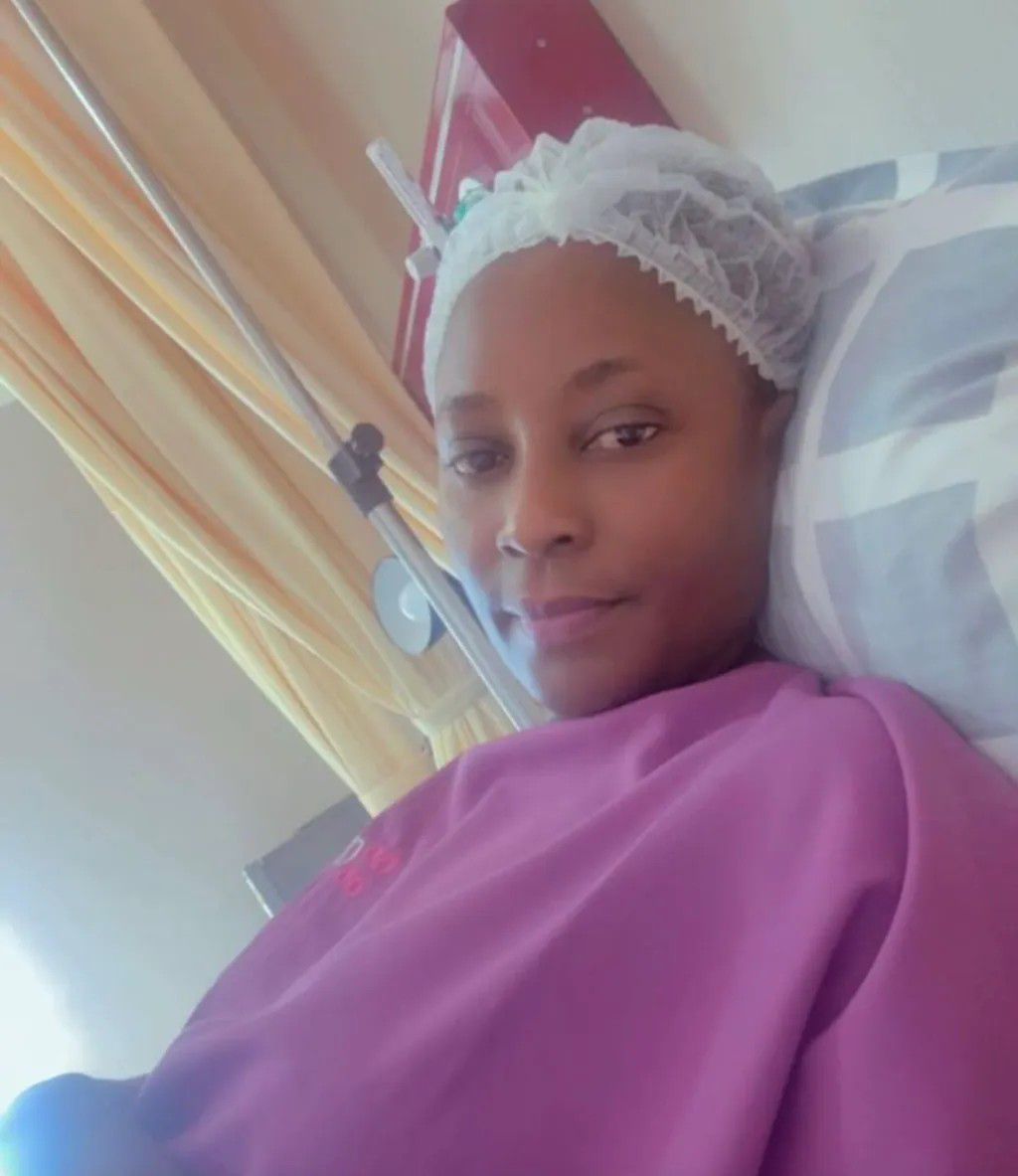
A close aide to Hon. Helen Nakimuli has disclosed new details surrounding the circumstances leading up to her death, pointing to complications linked to uterine fibroids that had reportedly worsened in recent days.
According to the personal assistant, Nakimuli had been quietly battling persistent stomach complications associated with fibroids, a condition that intensified over the past week and ultimately prompted urgent medical attention.
“She had stomach complications (fibroids) that intensified last week, so today she drove herself to Alexandria Hospital near Mulago and entered the theatre at 9am,” the PA revealed.
The aide described a sequence of events that initially appeared routine but later turned tragic. Medical staff reportedly completed the surgical procedure and transferred Nakimuli to the recovery room in the afternoon.
The assistant added that the surgery itself was completed, and she was moved to the recovery room at around 3pm. However, her condition suddenly deteriorated shortly afterward, raising alarm among attending doctors.

“Unfortunately, she wasn’t responding. They tried to reinstate her in vain,” the PA said, describing the desperate but unsuccessful efforts by medical staff to save her life.
Her passing has since sparked renewed public attention on uterine fibroids, a common yet often misunderstood reproductive health condition affecting millions of women globally.
Understanding Fibroids: A Silent but Widespread Threat
Uterine fibroids—also referred to in medical terms as uterine fibroids—are non-cancerous growths that develop in or around the uterus. Though benign, they can lead to severe health complications depending on their size, number, and location.
Medical experts note that fibroids are among the most prevalent gynecological conditions worldwide, particularly affecting women during their reproductive years. While many cases remain asymptomatic, others can result in chronic pain, excessive menstrual bleeding, fertility challenges, and in severe situations, life-threatening complications.
Historically documented for centuries, fibroids have remained a persistent concern in women’s health. Advances in modern gynecology have significantly improved diagnostic tools and treatment options, including minimally invasive surgeries and hormone therapies. However, disparities in access to care continue to affect outcomes, especially in developing regions.
In Africa, health professionals say fibroids tend to present earlier and more aggressively. The condition is often diagnosed at advanced stages, partly due to limited routine screening and delayed health-seeking behavior.
What Causes Fibroids?
Although the precise cause of fibroids is still not fully understood, researchers and clinicians have identified several contributing factors:

Hormonal influences are considered central. Estrogen and progesterone—key hormones that regulate the menstrual cycle—are known to promote fibroid growth, particularly during reproductive years.
Genetic predisposition also plays a role. Women with a family history of fibroids face a significantly higher risk of developing the condition.
Age is another factor, with fibroids most commonly diagnosed in women between 20 and 40 years old.
Lifestyle choices may further increase susceptibility. Diets high in red meat, obesity, and low levels of physical activity have all been associated with higher incidence rates.
Ethnicity is also significant. Studies consistently show that African women are more likely to develop fibroids and often experience more severe symptoms compared to other populations.
Prevention, Awareness, and Early Action
Health experts emphasize that while fibroids cannot always be prevented, early detection and proactive management can significantly reduce complications.
Women experiencing symptoms such as heavy or prolonged menstrual bleeding, pelvic discomfort, or frequent urination are urged to seek medical evaluation promptly. Diagnostic tools like ultrasound scans remain essential for confirming the presence and severity of fibroids.
Treatment options vary depending on the individual case and may include medication to manage symptoms or surgical procedures to remove the growths.
Regular monitoring and follow-up care are also critical, particularly for patients diagnosed with fibroids but not immediately undergoing surgery.
Medical professionals stress that increased awareness and timely intervention remain the most effective strategies in addressing the risks associated with fibroids. They caution against ignoring persistent symptoms, noting that delays in seeking care can lead to severe complications.
As tributes continue to pour in for Hon. Nakimuli, her case has also ignited broader conversations around women’s health, with advocates calling for greater awareness, improved screening, and expanded access to treatment services across the region.
📩 Email us: kamunyereports@gmail.com
📲 WhatsApp us: +256705569885
Your story matters—share it with us today! 🗞️🔥