Power Play or Reform? Among’s Term Extension Proposal Ignites Political Tension
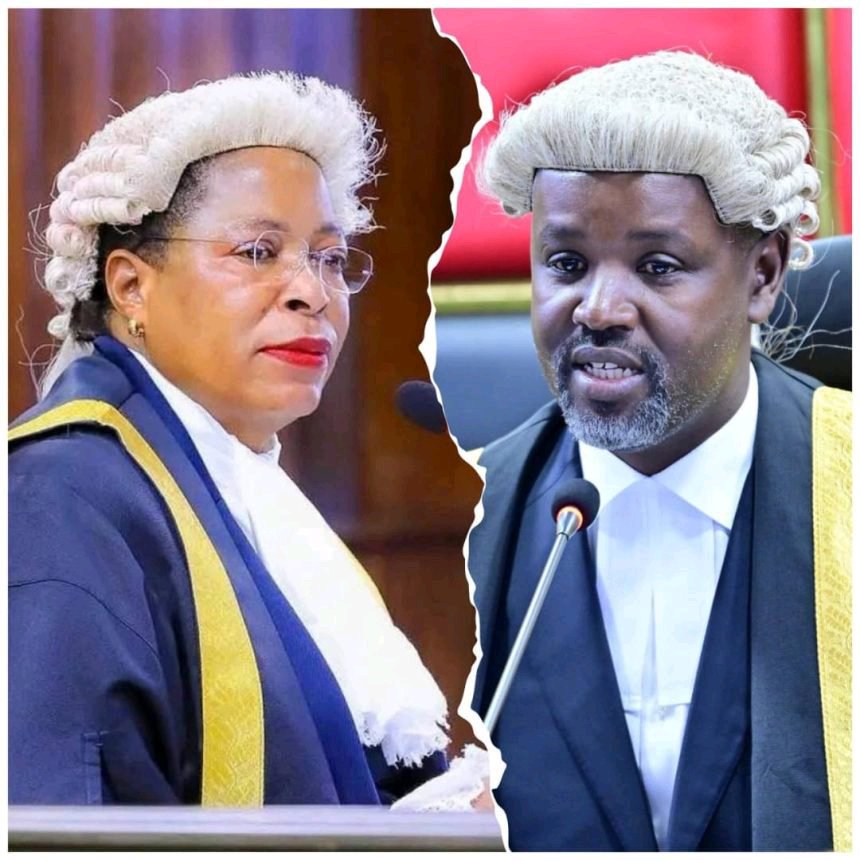
KAMPALA, Uganda — Anita Among has reignited debate over the length of political terms in Uganda, reviving a controversial proposal to extend the tenure of elected leaders from five to seven years.
Speaking during a closed-door orientation for newly elected legislators at the National Leadership Institute, the Speaker pointed to constitutional provisions that she said empower Parliament to determine its own lifespan. Her remarks come ahead of the swearing-in of the 12th Parliament in May, a transition period often marked by internal policy discussions and strategic alignment.
“The Parliament of Uganda is a creature of the Constitution of Uganda as per Article 77,” Among told the legislators. “This is what gives us the mandate, prescribes the composition, the functions and the tenure of five years. I know when you come to Parliament, you will think of changing from five to seven years like other countries and the ayes will have it.”
Her comments signal a possible legislative push once the new Parliament convenes, potentially reopening a politically sensitive issue that has previously faced legal and public resistance.

Among, who also serves as the second national vice chairperson of the ruling National Resistance Movement, framed the proposal as part of a broader effort to harmonize Uganda’s governance structures with regional practices. Within the East African Community, Rwanda currently stands out as the only member state with a seven-year term for its political leadership.
“When laws come, please pass them so long as you have support from the president,” she said. “We are going to have a much better Parliament than ever before.”
The renewed push echoes earlier attempts to lengthen political terms, efforts that have repeatedly run into legal and procedural hurdles. During the heated constitutional amendment process in 2017, lawmakers approved a similar extension. However, the Constitutional Court of Uganda later nullified the decision, ruling that extending leaders’ tenure without a referendum violated the implicit contract between voters and their representatives.
A comparable proposal resurfaced in 2021 through the parliamentary legal committee but was ultimately abandoned amid accusations that the provision had been irregularly inserted into a committee report, triggering backlash both inside and outside Parliament.
Political observers say the timing of the latest remarks is unlikely to be accidental. With a new cohort of legislators preparing to take office, some analysts view the proposal as a calculated effort to build early consensus around a measure that could directly benefit MPs.
“If the idea is embraced it will be selfish, unpatriotic and a major setback to the rule of law, the 1995 Constitution and democracy,” said Robert Kigongo.

Kigongo added that the Speaker is likely aware of the political dynamics at play, noting that few lawmakers would readily oppose a proposal that could extend their own stay in office.
It remains unclear whether the issue will feature prominently in the final resolutions of the weeklong retreat at Kyankwanzi, which is scheduled to conclude on April 15. For now, the proposal has once again thrust the question of constitutional limits and democratic accountability into Uganda’s political spotlight, setting the stage for what could become a defining debate for the incoming Parliament.
📩 Email us: kamunyereports@gmail.com
📲 WhatsApp us: +256705569885
Your story matters—share it with us today! 🗞️🔥