Museveni Set To Appoint First Family Member As Uganda Airlines Boss – See Who And Why
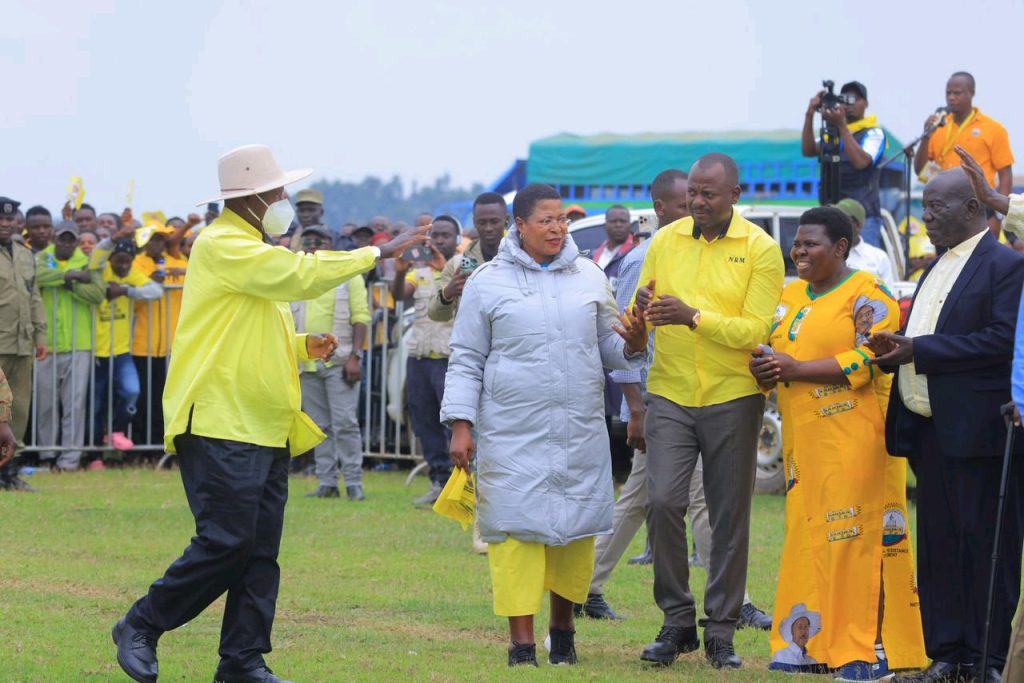
President Yoweri Museveni is facing mounting calls to take decisive action to rescue the struggling national carrier, Uganda Airlines, which has been rocked by a deepening leadership crisis and operational turbulence. The airline’s troubles have intensified following a dramatic shake-up at the top and the departure of its Chief Executive Officer, Jenifer Bamuturaki, leaving the future direction of the state-owned company uncertain.
As debate over the airline’s fate intensifies, journalist and political commentator Andrew Mwenda has offered bold — and in some quarters controversial — recommendations. Speaking during a televised talk show, Mwenda argued that if Uganda is serious about running a commercially viable and competitive national airline, it must fundamentally rethink how it shields the company from political interference.
“If Uganda is to be serious about running an airline, it needs to enjoy a high degree of independence; first from Uganda’s democratic politics. The airline has to be insulated from popular pressures,” he said.
Mwenda contended that the persistent challenges facing the airline are rooted in Uganda’s partisan political environment, where public institutions often face pressure from competing interests. In his view, insulating the airline from these dynamics would require an extraordinary solution — one that places leadership beyond the reach of political maneuvering.
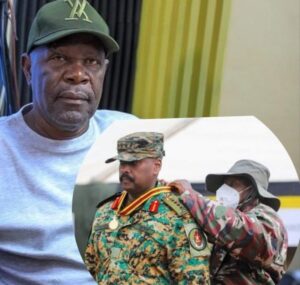
He floated the idea of appointing someone from the president’s immediate family to lead the airline, arguing that such a figure would be immune to interference. “If Museveni was to name his son Muhoozi Kainerugaba as the airline CEO, who would come and push him to do anything?… Everybody else in that position will be kicked around,” Mwenda declared, referring to the First Son and senior military officer Muhoozi Kainerugaba.

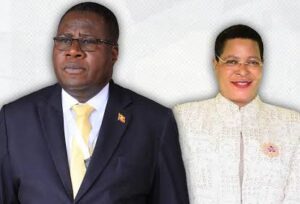
Expanding on his proposal, Mwenda suggested that other close relatives of the president could also be considered. He mentioned the possibility of appointing the president’s sons-in-law, Edwin Karugire or Odrek Rwabwogo, or even one of the president’s daughters, as a way of placing the airline firmly beyond political intimidation and patronage networks.
In addition to family appointments, Mwenda proposed what he described as an alternative but equally unconventional route: hiring expatriate leadership to run the airline.
“The other solution to manage the airline effectively is to hire white people… No Ugandan will go to a white man and say, ‘hire my daughter or hire my wife’,” he said.
He added: “The President of Emirates has been a white man from the UK. You need to bring in a white person who is highly experienced and above board.”
Drawing from historical precedent, Mwenda cited the case of New Vision, arguing that foreign leadership once helped transform the publication into a continental success story. “Remember that the New Vision became the most successful newspaper in Africa because its founding MD William Pyke was white. Short of that I don’t see what Uganda can do to create an airline that is insulated.”
Leadership crisis deepens
Mwenda’s comments come at a time when Uganda Airlines is grappling with one of the most turbulent periods in its modern history. After months of mounting scrutiny over governance, financial performance, and allegations of mismanagement, the airline’s board signaled a new chapter by reopening the search for a chief executive.
In early February 2026, Uganda Airlines confirmed that its Board of Directors would re-advertise the CEO position, effectively marking the end of Ms Bamuturaki’s tenure, which began in July 2022. The move followed growing pressure from multiple oversight bodies and raised fresh questions about the stability of leadership within the airline.
In an internal communication to staff, Bamuturaki informed employees that the job would soon be advertised and encouraged qualified personnel within the company to submit applications. The announcement underscored the uncertainty hanging over the airline as it seeks new direction amid public scrutiny.
Her exit comes against the backdrop of intense criminal investigations by the Uganda Police Force Criminal Investigations Directorate and the State House Anti‑Corruption Unit. The probes are examining alleged abuse of office, embezzlement, and false accounting involving officials at Uganda Airlines. At the same time, members of Parliament have repeatedly voiced concerns about ongoing financial losses and what they describe as persistent governance gaps.
Speculation has swirled about potential high-profile replacements, including former Ethiopian Airlines executive Girma Wake. However, the Office of the President of Uganda has denied that any appointment has been finalized, leaving the leadership question unresolved.

During Bamuturaki’s tenure, the national carrier continued to record financial losses, drawing heightened parliamentary scrutiny and public debate about the airline’s long-term sustainability. Lawmakers have repeatedly questioned the airline’s cost structure, route performance, and return on taxpayer investment.
Beyond financial performance, Uganda Airlines has faced criticism over irregular procurement decisions, high operating costs, and customer complaints related to cancellations and flight delays. These operational challenges have compounded reputational damage at a time when the airline is seeking to position itself as a reliable regional and international competitor.
As the search for new leadership unfolds, the future of Uganda Airlines hangs in the balance. Whether President Museveni embraces Mwenda’s controversial recommendations or opts for a more conventional management solution, the stakes remain high for a national carrier that many Ugandans view as both a symbol of national pride and a test of public sector governance.
📩 Email us: kamunyereports@gmail.com
📲 WhatsApp us: +256705569885
Your story matters—share it with us today! 🗞️🔥