State House Showdown: How Museveni Nearly Slapped And Fired Kabushenga Over New Vision Front Page Of Missing Crowds At NRM Event
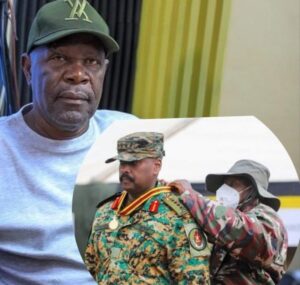
Veteran political journalist Peter Kibazo has offered a rare, behind-the-scenes account of a little-known confrontation inside State House—an incident that exposed the delicate, often tense relationship between President Museveni and the government-owned New Vision newsroom.
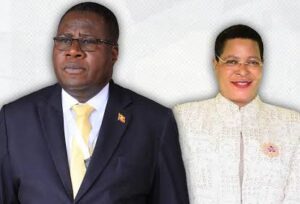
Speaking on his popular Radio Simba programmes ‘Olutindo’ and ‘Gasimbaganne ne bannamawulire,’ Kibazo reconstructed the chain of events that prompted the President to summon former New Vision CEO Robert Kabushenga and the paper’s top editors to answer for a front-page decision that deeply unsettled the country’s leader.
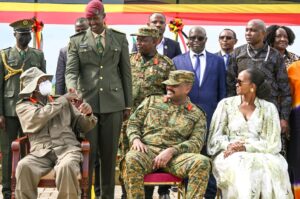
According to Kibazo, insiders at State House alerted Kabushenga hours before the meeting that the President was furious. The trigger: New Vision had failed to publish a particular photograph Museveni expected to dominate the front page after his 2016 swearing-in—one showing him standing before what he claimed were unprecedented crowds.
“After the swearing in ceremony, the President boasted to his invited guests including Sudan’s former president Omar Bashir that he has made a historical record of having more than 1.5m people attending his swearing in ceremony, he wanted to frame that newspaper photo and keep it for a record,” Kibazo said.
But the next day, the highly anticipated crowd image was nowhere to be seen. Instead, the paper ran a more formal oath-taking photo stripped of the mass audience the President was so eager to document. When Museveni questioned the omission, his aides told him the editorial team had been constrained by a production deadline. They added that the preferred photo would be used the following day—a promise that was never honored.

What followed, sources say, was a rapid intervention. An irate Museveni summoned Kabushenga, retired news editor John Kakande, and senior photographer Enock Kakande to State House. By this time, Kabushenga knew the meeting would be hostile.
“Technically when my friend Kabushenga entered the room where Museveni was waiting for them, he knelt down with his team pleading for forgiveness and assured the president what they did was not intentional and they did not mean to intentional annoy him,” Kibazo said.
Under scrutiny, photographer Enock Kakande deflected responsibility, pointing instead to presidential security. He told Museveni that security personnel had blocked him and other journalists from getting close enough to capture the crucial image. The admission prompted immediate action. Museveni reportedly summoned his chief of security on the spot and ordered that Kakande be granted full access to presidential events.

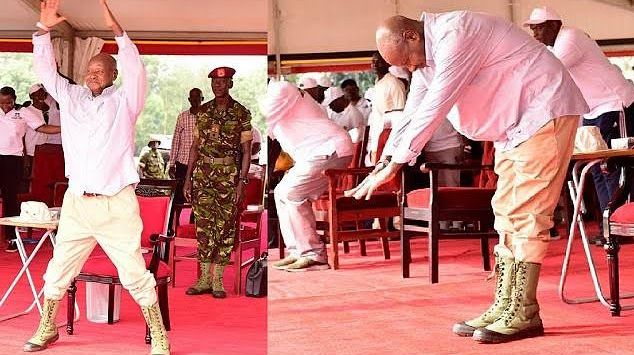
From that moment onward, Kakande operated with unprecedented proximity—standing on podiums and restricted platforms to secure what Kibazo referred to as “the killer shots that the President wants.”
Kibazo further revealed that the President has long reacted strongly to front-page images showing large crowds around his opponents, particularly Dr. Kizza Besigye and Robert Kyagulanyi Ssentamu (Bobi Wine). According to him, such images fuel pressure inside State House to demonstrate that Museveni still commands superior public support.
“Because of age, am not shocked seeing security turning brutal and using inhuman methods when dealing with those youths running on Bobi Wine’s campaign rallies, they don’t want that photo with huge crowds to lead on the next day’s papers,” Kibazo said.
The pattern Kibazo described is corroborated by former presidential press secretaries Joseph Tamale Mirundi and Onapito Ekomoloit. Both confirmed that Museveni becomes irate when positive stories or photos about him are delayed or sidelined in major newspapers, and that he occasionally telephones publication bosses to demand explanations.
Before his death, Mirundi revealed that internal rivals seeking his State House job manipulated the President by ensuring New Vision withheld stories and photos he submitted. Their aim, he said, was to make Museveni believe he was the one delaying content.
As a result, Mirundi shifted to publishing Museveni’s stories through Red Pepper—a move that pleased the President but did not shield him from eventual dismissal over remarks deemed offensive to First Lady Janet Kataha Museveni.
Despite the fallout, Mirundi was later appointed Presidential Senior Advisor on media, a post he held until his death.
📩 Email us: kamunyereports@gmail.com
📲 WhatsApp us: +256705569885
Your story matters—share it with us today! 🗞️🔥