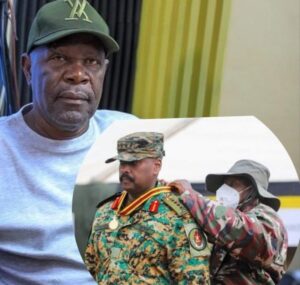
RIP!! Ex Rebel Leader Col. Anthony Kyakabale Dies In Sweden – Details Emerge On His Painful Death
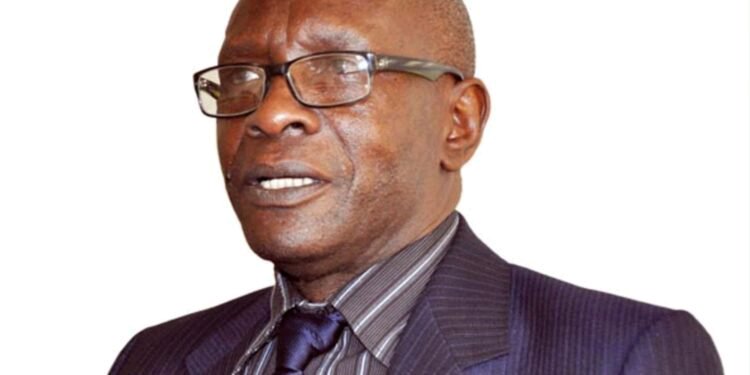
Retired Colonel Anthony Kyakabale, a former rebel commander and once a close ally of President Yoweri Museveni, has died in Sweden, where he had been living for years.
Kyakabale, a veteran of Uganda’s liberation struggle and a key figure in the Rwandan civil war that toppled former President Juvenal Habyarimana in 1994, passed away after a long period of illness, according to family sources.
During the 1980s and early 1990s, Kyakabale was among the prominent officers who played significant roles in regional liberation movements. His involvement in Rwanda’s war of liberation saw him work closely with the Rwandan Patriotic Army (RPA), where his military experience and regional networks were highly valued.
However, his relationship with President Museveni later deteriorated, forcing him into exile in Sweden. From abroad, Kyakabale remained vocal on issues of governance and reconciliation, often calling for peace and dialogue among Ugandans and within the region.
He played an active role in the pivotal February 1981 attack on Kabamba Military Barracks, a daring operation that effectively launched the armed rebellion against Milton Obote’s regime. This moment is widely considered the spark that ignited the NRA’s liberation campaign. Following the success of the struggle, Kyakabale rose steadily through the military ranks, eventually earning the title of Lieutenant Colonel.
A Rift with the Revolution
Despite his early contributions and high-ranking position within the Uganda People’s Defence Forces (UPDF), Kyakabale’s allegiance to the National Resistance Movement (NRM) regime began to waver in the early 2000s. The fracture became visible in the aftermath of the 2001 presidential elections, a politically charged period that saw increasing dissent within the ruling establishment.
Kyakabale, along with other prominent military officers such as Col Samson Mande, became openly disillusioned with the direction the government was taking. Their concerns were amplified by the candidacy of Dr. Kizza Besigye, a former Bush War comrade who challenged President Museveni in the elections and accused the regime of betraying the democratic ideals they had once fought for.
Fearing political persecution and facing imminent arrest and disciplinary proceedings, Kyakabale fled Uganda in 2001. His departure marked the beginning of a long exile, but it was in 2002 that he made headlines once again—this time, for his bold declaration of war against the government he once served.
In a dramatic turn of events, Kyakabale publicly accused President Museveni of steering the nation back to a “violent past.” His defection placed him among the alleged masterminds of the elusive rebel outfit known as the People’s Redemption Army (PRA), a shadowy group reportedly formed by exiled former army officers and political dissidents. While the full extent and activities of the PRA remain shrouded in mystery, Kyakabale’s involvement was widely cited by Ugandan authorities and media.
Years in Exile and the Road to Reconciliation
Following his exit from Uganda, Kyakabale briefly took refuge in Rwanda before eventually settling in Sweden in 2003. There, he sought asylum and was granted refuge along with several of his colleagues. For over a decade, he lived in self-imposed exile, adapting to life in a new country while continuing to follow the developments in Uganda from afar.
Despite his once militant stance, Kyakabale gradually stepped back from political activity. In Sweden, he lived a relatively quiet life with his family, taking advantage of the country’s integration and asylum support systems to rebuild his life.
His time in exile came to an end in 2015 when he returned to Uganda after reaching a negotiated understanding with the government. His return was symbolic, signaling a thaw in relations between the state and its former dissidents. Upon arrival, Kyakabale was received by President Museveni, to whom he issued a formal apology.
In a gesture that surprised many, he was not only pardoned but also promoted to the rank of Colonel. The Uganda People’s Defence Forces (UPDF) formally retired him in 2016, allowing him to close the chapter on his military and political career. He went on to resettle peacefully in his home village of Rushebeya, Kabale, where he spent his remaining years.
A Complex Legacy
Col (Rtd) Anthony Kyakabale leaves behind a legacy filled with both glory and controversy. From the battlefields of the bush war to the corridors of exile and eventual reconciliation, his life mirrors the complex trajectory of Uganda’s political and military evolution over the past four decades.
To his supporters, he was a principled man who risked everything to speak out against what he saw as the betrayal of a revolution. To others, his defection and alleged links to insurgency cast a shadow over his otherwise distinguished military record.
As Uganda mourns his passing, one thing remains clear: Kyakabale was a man who lived by his convictions, no matter the cost.
📩 Email us: kamunyereports@gmail.com
📲 WhatsApp us: +256705569885
Your story matters—share it with us today! 🗞️🔥